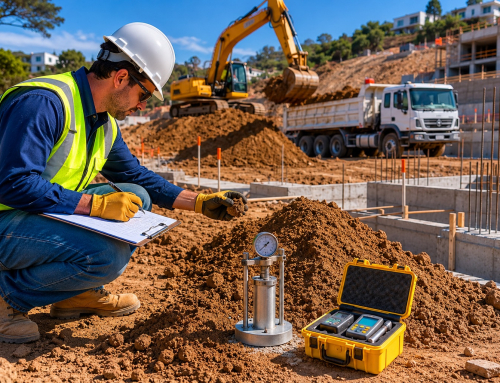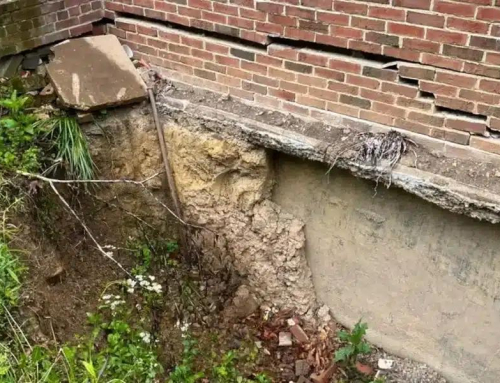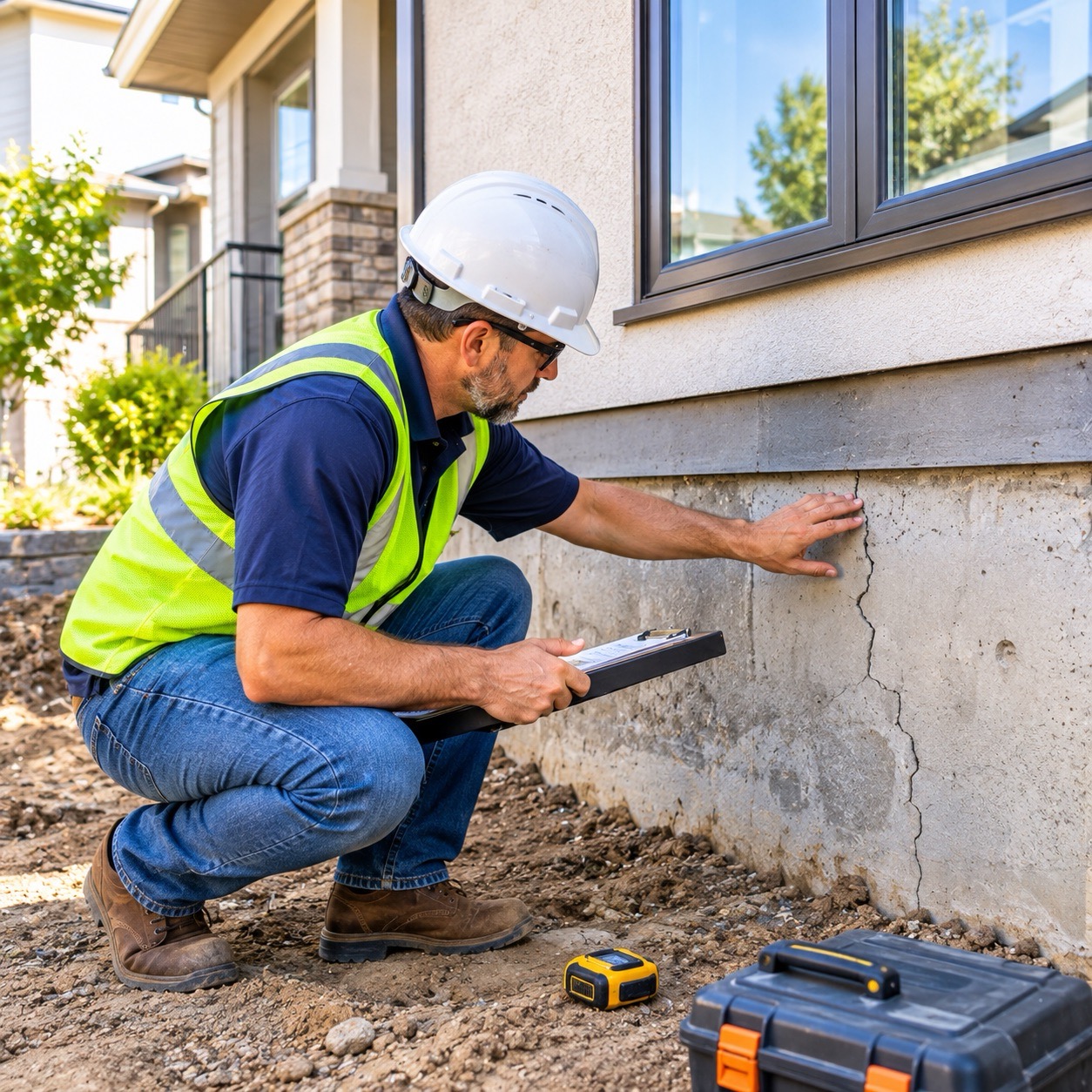
Introduction to Commercial & Residential Foundation Inspection Services
People ignore foundations until a serious problem occurs. A minor fissure in the hallway can lead to a permanent door opening. Similarly, a leaning wall can cost too much to repair.
Professional foundation inspection services help here. A licensed and trained inspector present their findings, potential structural problems after visual inspection. They let you breathe easy!
Why Do Foundation Inspections Matter?
- When the ground is bad, people are at risk, and damage is not contained. Creeps in framing, floors, and walls.
- Reduce the cost of repair services. Small problems do not cost much; large problems do. With early detection of movement, it’s usually a simple repair, rather than a significant overhaul.
- Protection of value and insurance. Foundations can become an issue if there is an identified problem. The California Department of Insurance offers information on how insurance works, and the California Earthquake Authority has detailed information on quake insurance.
In California, you may also need to review disclosures that California sellers of this property must provide, which you can find on the California legislature’s site. Typically, structural repairs require local building department permitting, for example, the Los Angeles Department of Building and Safety (LADBS)
Key Differences Between Residential and Commercial Foundation Inspections
Generally, the goal is the same for commercial and residential foundation inspections. Both are carried out to see if the foundation is doing its job, the scale of changes, and the paperwork.
Residential Inspection for Home Foundation
On a hillside lot, slope stability matters and the CGS maps landslide, liquefaction, and fault zones. Causes of residential foundation failure include settlement, shifting soil, poor drainage, and slab leaks. So residential foundation inspections usually deal with one of these types of foundations:
- Slab foundations (slab-on-grade)
- Crawl spaces
- Basements
- Pier and beam foundations
Commercial Inspection
With commercial buildings, there is more work to do, since they’re heavier. These are retaining walls, parking decks, piling, and deep foundations. Tenants and liability are created, so think of an engineering-level report.
Any project close to a state highway, State Bridge, or FRP will include Caltrans. LA County Public Works or the City of LA Bureau of Engineering may also be called while working in the vicinity of public facilities and utility corridors.
| Residential | Commercial | |
| Scope | Single home or small building | Large building, parking structure, retaining walls, deep foundations |
| Equipment | Level, manometer or laser, moisture meter, camera | Laser survey, ground-penetrating radar, concrete testing, drones |
| Report depth | Findings, photos, recommendations | Engineering-grade report, often stamped, with detailed analysis |
| Typical duration | A few hours to one day | Several days to weeks, depending on size |
Our soil testing and geotechnical laboratory services in Los Angeles help achieve your construction goals by avoiding risky project decisions that can cause massive construction issues. Properly framed inspections safeguard schedules, jobs and your project budgets.
Warning Signs You Need a Foundation Inspection
You need to check some indicators of a property’s foundation before serious issues become a problem. Look out for:
- Building cracks in walls, floors, or bricks. The bigger the crack, the worse it is, particularly stair-step cracks or expanding cracks
- Sticking doors (or doors and windows that don’t open and close as they should)
- If floors slope or are uneven to walk on.
- Openings such as around the window frames or between wall and ceiling
- Standing water near the building; damp spots or mould (Our mold guide from EPA explains why mould is important to have a handle on).
- Bulging or leaning foundations or chimneys
Don’t worry about all cracks. New concrete slabs have small cracks that look like hair and are generally harmless. However, if a crack reaches one-quarter inch, it may continue to increase.
If there are other symptoms, you should get a proper foundation crack inspection. On Commercial Sites, be alert and watch out for slab cracks, loaded docks, and binding equipment.
Find out why every property undergoing construction in Los Angeles requires soils report and soil analysis as it can heavily affect your construction, especially when building a permitted foundation for a property in Southern California where underground corrosion can cost you more than just money, it can cost your life!
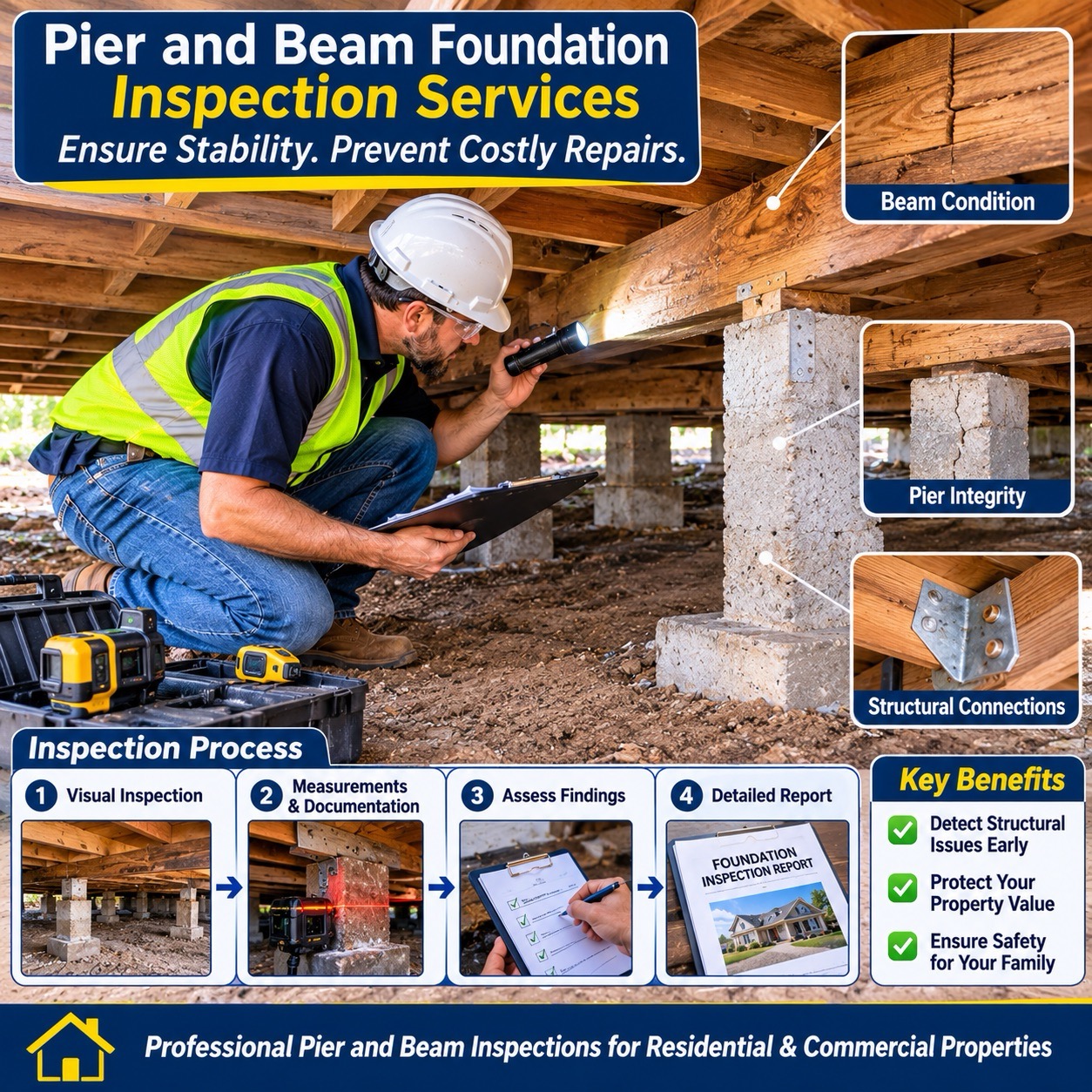
Pier and beam foundation inspection to identify structural damage, assess stability, and protect your property.
Professional Foundation Inspection Report
A professional report for foundation inspections includes:
- Findings
- Pictures
- Severity and impact
- Suggested repairs
Every section of report should be clear and well-explained. Moreover, the contractor, lender, or buyer should follow it. A detailed structural foundation inspection includes:
- The Inspector visually inspects walls, floors, rooflines, columns, slabs, and the exposed edge of the foundation.
- A manometer or laser survey will indicate if there is floor movement and how far it’s moved.
- Cracks are monitored, recorded in photographs, and occasionally monitored for weeks or months.
- With so many foundation problems caused by water, gutters, slopes, and leaks are all evaluated.
- A licensed inspector understands the building plans and geotechnical reports, if available.
- For commercial projects, we perform ground-penetrating radar, concrete testing, and drone surveys.
Best Time for a Foundation Inspection
Good times to book one:
- When buying or selling (a pre-purchase foundation inspection can save you from a very expensive surprise)
- Before a remodel, an addition, or installing heavy equipment
- After excavation or during construction and after the pour
- During due diligence on a commercial purchase or a lease change
- After flood, an earthquake, a long drought, or major construction in neighborhood
- As a regular checkup on an older building
Common Identified Foundation Problems
- Settlement and differential settlement
The building with settlement or rises at a greater rate than under normal conditions. Typically, repairs include but are not limited to underpinning, piers, and soil stabilization.
- Rising due to expansive soils
Clay foundations swell and shrink with moisture content, causing uplift and downlift. Good drainage and moisture control: the USDA’s Web Soil Survey, including the soil type on your land.
- Water pressure and inpouring pressure
Walls or slabs are under pressure from the water. The repair can be waterproofing, installation of new drains, or a sump system.
- Bad drainage/ compaction
Soil improvement and gutters can help to regrade.
- Concrete deterioration
A good foundation assessment will indicate the problem and the most sensible repair for concrete deterioration. It will help you get estimates from other contractors too.
For structural integrity of foundation, concrete is very important. Bends, fractures, and rebar corrosion reduce the strength of concrete. Repairs can vary from patching through to full-scale structure reinforcement.
Cost of Foundation Inspection Services
Foundation inspection cost depends on the size, access, location, and the required details. A simple residential foundation inspection can cost a few hundred dollars. A licensed engineer’s report is about $1,000. Commercial jobs are quoted on a project-by-project basis.
Locally, prices may differ; obtain local estimates. In either case, the inspection will represent a very small amount to the severe foundation work.
Choosing a Qualified Foundation Inspector
Always find a licensed and qualified structural or civil engineer, or a qualified, trained inspector. You can check the license with the California Board for Professional Engineers, Land Surveyors, and Geologists. For structural engineers specifically, check them with the Structural Engineers Association of California.
Also check:
- You can be confident in your property. A house specialist might not be appropriate for a parking garage.
- Insurance and independence. Your inspector should not be on commission from the foundation repair companies and should have insurance.
- Provide examples of references and reports. Retrieve and read a previous report, and speak with previous clients.
You must ask some questions before hiring:
- Biodata and qualifications of the proposed inspector.
- When will I receive everything in writing, video, and severity ratings?
- Do you have repair sales or accept repair work from a repair company?
If you need repairs, make sure the Contractors State License Board licenses your foundation repair company. The California Building Standards Commission has a building code, which the repair work has to comply with.
Conclusion
The strength of all buildings depends upon their support system. Don’t overpay for an inspector, and save money and stress by catching the problems early.
For any homeowner, manager, or buyer, professional foundation inspection services will provide real answers, rather than guesswork. Are you checking the foundations to find out how they are doing? Ask to see an inspection at Marshallgeo.com, obtain a quotation, or contact our staff today.
Your Questions Answered Here
How much time does a foundation inspection take?
In most cases, just a few hours. Sometimes, it takes days for big or commercial projects.
Is home foundation inspection a standard?
Only partly. A General Inspector can pick up on signs of issues, but a Foundation Inspector will delve right down to the very heart of the problem.
What about the small splits; do they not need to be fixed?
Usually, but if any crack appears, get it checked because it may be accompanied by other symptoms and/or it may increase in size.
Who is going to carry out a commercial foundation inspection?
A Structural Engineer (commercial experience) licensed by your State/Foreign License and preferably with geotechnical input.
Build with knowledge. Build with confidence. Build smart from the ground up.