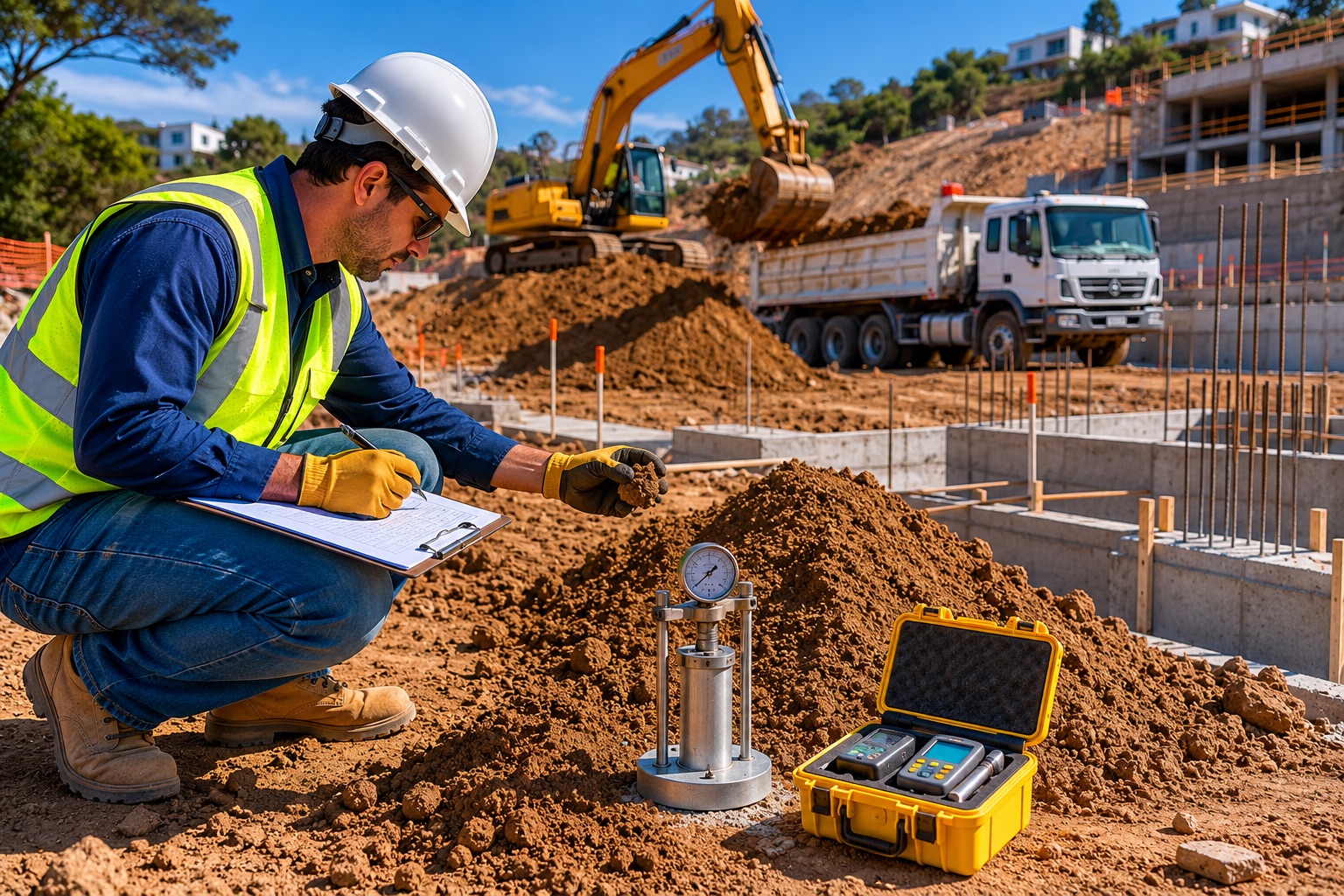
Role of Deputy Grading Inspector in Construction Projects
Introduction
Grading is an important part of construction. The contractor must prepare the land properly before building starts. This process includes excavation, filling, levelling, and soil compaction. Proper grading helps create a stable base for buildings, roads, and other structures.
Poor grading can cause serious problems. These include soil settlement, drainage issues, cracked foundations, and slope failure. That is why grading inspection is inevitable during construction projects.
Many construction projects in California require grading observation and inspection services from local agencies to ensure safety and compliance. For example, the LADBS and the Los Angeles County Department of Public Works monitor grading activities. A Deputy Grading Inspector plays a major role in this process.
This article aims to explain the importance of grading inspection and grading inspectors in construction projects.
Who Is a Deputy Grading Inspector?
A Deputy Grading Inspector is an experienced practicing professional overseen by a geo-technical engineer. The inspector oversees the work carried out on Earthworks and Grading at the site during construction.
The primary duties of the Inspector are to ensure the execution in accordance with approved plans. Moreover, he is also responsible for compliance with geotechnical engineering recommendations and local building codes. Deputy Grading Inspectors support the corporation in boosting the quality and minimizing the dangers of Grading Operations.
Typical duties include:
- Observing excavation work
- Monitoring soil compaction
- Checking fill placement
- Identifying unsuitable soils
- Reporting field conditions
- Liaising with contractors & engineers
- Preparing daily reports
Why Grading Inspection Is Important?
Proper grading inspection helps prevent major construction problems. Poor soil compaction may cause settlement over time. This can cause cracks in foundations, pavements, and walls.
Poor drainage can also damage buildings. Water may collect around foundations and weaken the soil. On hillside projects, improper grading may lead to unstable slopes or landslides.
Deputy Grading Inspectors help identify these problems early. Their work improves safety and long-term performance.
Discover how soil expansion affects foundations for properties in Los Angeles County. Learn about swell potential testing, risk assessment, and safe design practices for expansive soils. The Los Angeles Department of Building and Safety says hiring a Geotechnical Engineer in Los Angeles is essential to your construction site safety.
Read more to find out why it’s important to hire a Deputy Grading Inspector on-site for your construction projects to help properly develop a property and construction stability, along with avoiding health concerns.
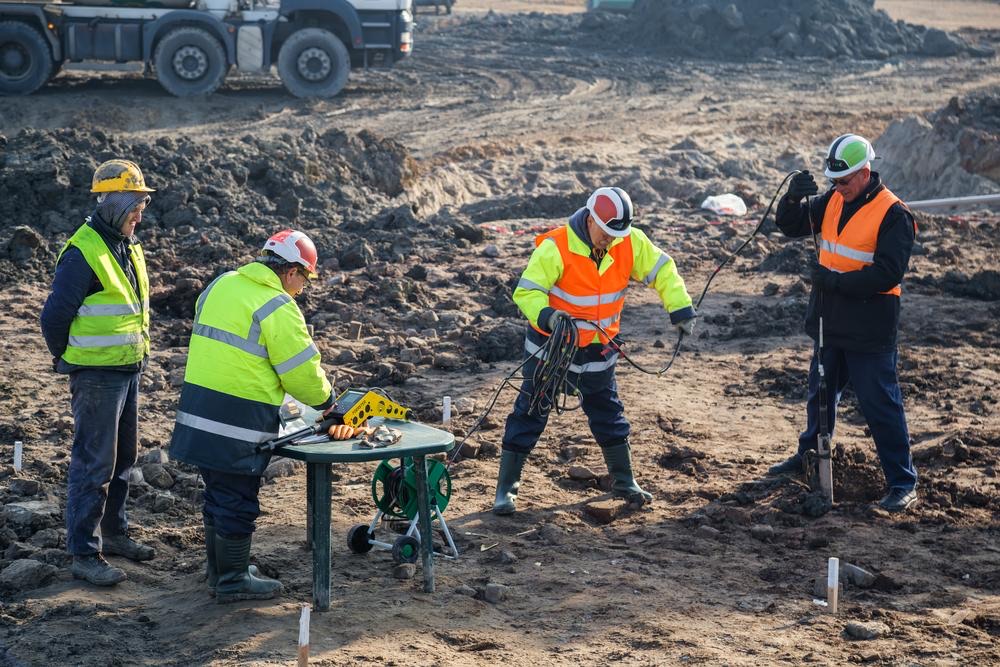
Expansive clay soil causing foundation heave at construction site during geotechnical investigation of soil swell potential.
Deputy Grading Inspector Scope of Work
A Deputy Grading Inspector has many responsibilities during the grading process. They work before starting the grading for the final approval.
Pre-Grading Responsibilities
Before work begins in the field, the inspector needs to understand the project requirements. Meetings, before construction, may be with the contractors, engineers, and developers.
During the meeting, the personnel discuss reporting, testing, and inspection requirements. The purpose of the initial site visit is typically to assess existing conditions. The inspector documents the potential erosion, water infiltration, and fill with 20/80 or unsuitable soil before grading. Before grading, the inspector will read any project document, including:
- Grading plans
- Geo-technical reports
- Soil recommendations
- Permit requirements
Excavation Observation
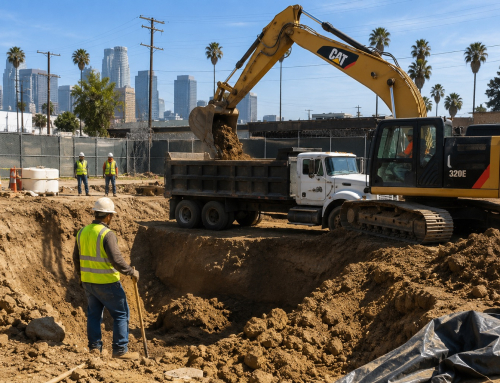
The Deputy Grading Inspector monitors the activities during excavation and confirms excavation depths. The inspector looks out for the following:
- Delicate or loose soils
- Organic materials
- Buried debris
- Construction waste
- Groundwater conditions
- Unsuitable fill materials
The inspector will inform the geotechnical engineer about weak soils. Further, he can recommend soil removal and/or replacement. He also inspects the excavation slopes to ensure good, safe working practice.
Fill Placement Monitoring
The inspector’s task of monitoring the placement of the fill is one of the most critical roles. The inspector checks whether the thickness of the engineered fill layer is appropriate. These layers typically range from approximately 6 to 12 inches thick after compaction.
Proper fill placement can ensure stable soil conditions and consistent compaction. The inspector confirms that:
- Fill material is accepted that is approved
- The thickness of the lift complies with the specification
- Excessive rocks are taken out of the intermingled rocks
Spread of Fill is even.
even. Some parts lift more. This causes differential movement.
Moisture Conditioning Observation
Moisture content needs to be perfect for good compaction. The soil will not compact properly if it is too wet or dry. The Deputy Grading Inspector accompanies the grading activity and observes moisture conditioning.
Water trucks sprinkling can add moisture to dry soil. Similarly, moisture reduction might be necessary for wet soils. Aeration or the scarification method can reduce moisture.
The inspector ensures that the moisture level of surplus soils is at the optimum level identified by soil tests. As a result, good moisture control improves soil stability and performance.
Soil Compaction Verification
Compaction monitoring is an integral component of grading inspection. The deputy inspector verifies that compaction is compliant with the project specifications. Most projects require 90%-95% relative compaction of soil.
The inspector performs testing, and the corrective action becomes necessary in failed cases before the placement of additional fill. These are just some of the ways a compaction test can be done:
- Nuclear density testing
- Sand cone testing
- Moisture content testing
Proper compaction improves:
- Foundation support
- Pavement performance
- Structural stability
- Slope stability
Subgrade Inspection
The inspector assesses the subgrade condition before the construction of foundations or pavements starts. If found unstable, they will further stabilize it with adequate techniques. Subgrade inspection can involve:
- Proof rolling observation
- Soft spot identification
- Elevation verification
- Stability evaluation
Drainage and Slope Observation
Good drainage is a facet of grading. Prolonged erosion, water infiltration, or slope failure can result from poor drainage. The sooner they identify, the more damage they will save in the future. The Deputy Grading Inspector comments:
- Surface drainage flow
- Swales and drains.
- Slope gradients
- Berm construction
- Erosion control measures
Coordination with Project Team
Deputy Grading Inspectors closely engage with contractors, civil engineers, geotechnical engineers, and local agencies. During grading operations, it is important to have good communication. The inspector notifies the supervising engineer of unexpected soil conditions. The inspector may also arrange tests and an inspection schedule to minimize delays in testing.
Documentation and Reporting
Documentation is one of the main duties of the grading Inspector. These reports form an official record of grading activities. The field reports provide information on the project for the final grading report.
Local authorities require this report for final approval. Especially an agency like the Los Angeles Department of Building and Safety. Field reports are typical and commonly include the following every day:
- Areas graded
- Weather conditions
- Soil conditions
- Test results
- Equipment used
- Site observations
- Corrective actions taken
Final Grading Inspection
After grading is complete, the Deputy Grading Inspector performs final observations of the site. The inspector will submit the final documentation for approval after fulfilling project requirements.
The work of a Deputy Grading Inspector is essential for maintaining construction quality, safety, and long-term soil performance. The final inspection may include:
- Verification of finished grades
- Inspection of slopes and drainage systems
- Review of compaction records
- Confirmation of grading compliance
Common Issues faced by Deputy Grading Inspector
The role of a Deputy Grader during grading and earthwork activity is critical. The construction field requires constant monitoring and coordination among several departments for rapid decision-making. Numerous issues arise that can impact the construction schedule, quality, and safety.
Changing Soil Conditions
Dealing with unforeseen soil conditions is one of the biggest challenges. The soil may vary in different locations. While excavating, inspectors will address the weak soil, buried debris, groundwater, or unknown fill material.
These conditions can result in further time for grading work and further geotechnical engineer recommendations.
Moisture Control Problems
Proper moisture content is necessary for good compaction. But it is not always easy to keep moisture levels against them in check.
Soil needs stabilization in case of extreme dry or wet conditions. Moisture control can be complex, especially after rainfall or severe weather. Too much or too little moisture when compaction testing can cause construction delays.
Failed Compaction Tests
Compaction testing accounts for a major portion. In some cases, soil density is not suitable for the required applications. For non-compacted soils, the contractor needs to rework them before the construction. Common reasons include:
- Incorrect moisture content
- Poor compaction equipment
- Thick soil lifts
- Unsuitable fill material
Schedule Pressure
Construction sites frequently need to be completed on time. That’s why contractors prefer completing grading work as soon as possible. The deputy grading inspector is responsible for project schedules, quality, and safety.
The pressure is on inspectors to approve work promptly, regardless of the requirements. So, having a professional opinion is crucial in such cases.
Weather Conditions
The weather can influence the grading operations. Moisture can dry up too quickly during warm weather. Strong winds can lower the visibility and raise dust. The weather must impact how inspectors make observations in the field.
Communication Issues
Poor communication can lead to conflicts between team members, misunderstandings, and delays. Deputy Grading Inspectors accurately convey field conditions, results, and remedies to the project team. For the grading project, there are numerous people involved, such as:
- Contractors
- Equipment operators
- Civil engineers
- Geotechnical engineers
- City inspectors
Unsafe Site Conditions
Site conditions may be hazardous for several reasons. During field operations, safety awareness is important. Inspectors should carry out site safety drills and other requirements with vigilance. During inspections, inspectors may be found near the following:
- Heavy equipment
- Excavations
- Steep slopes
- Dusty conditions
- Moving trucks
Unauthorized Fill Materials
Sometimes the filling material may include debris, rocks, etc. Controlling inappropriate fill can sometimes be a problem with contractors. With poor quality fill, soil instability, and future settlement will be obvious. The inspector shall ensure that the filling materials are suitable.
Conclusion
A Deputy Grading Inspector is an important part of construction projects involving grading and earthwork.
Site grading observation helps ensure safety, compliance, and proper soil performance. Proper grading inspection reduces risks and improves long-term construction quality.
As grading regulations continue to increase in California, professional grading inspection services remain essential for successful construction projects.
Build with knowledge. Build with confidence. Build smart from the ground up.