Soil Swell Potential: Tests, Risks & Design Impact Explained
Introduction
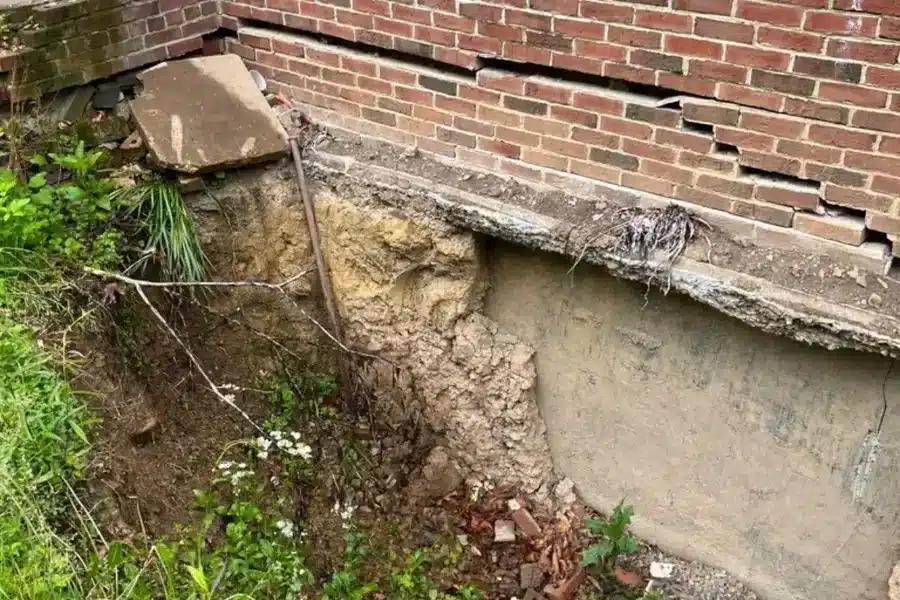
Many buildings develop cracks. Floors lift. Doors stop closing. Walls split. These problems often appear after construction. The cause is often below the ground. Expansive soil is a common reason.
Some soils expand when wet. They shrink when dry. This movement repeats again and again. Foundations cannot handle this movement well. Over time, the structure gets damaged. This behavior is called soil swell potential.
Swelling refers to the soil expansion. Clay soils usually show this behavior. These soils are good water absorbers. The volume of such soils increases after absorbing water. Similarly, they shrink after drying. Moreover, small moisture changes cause movement. This makes construction risky.
Engineers study swell potential before design. They test soil samples. They measure expansion. They then design safe foundations. This article explains expansive soils. It explains testing methods. It also explains risks and design impact.
What Are Expansive Soils?
Expansive soils change volume with moisture. They expand when wet. They shrink when dry. This movement continues over time.
Clay soils usually behave this way. These soils contain minerals. These minerals absorb water. When water enters, soil particles move apart. The soil expands. When water leaves, particles move closer. The soil shrinks.
Types of Expansive Clays
Different clay minerals behave differently. Some swell more. Some swell less. The following are the common types of swell soils.
- Montmorillonite has very high swelling. It absorbs a lot of water. It causes a large expansion.
- Illite has moderate swelling. It expands less.
- Kaolinite has low swelling. It shows a small expansion.
- The type of clay controls the swell potential. Testing helps identify the clay.
Discover how soil expansion affects foundations for properties in Los Angeles County. Learn about swell potential testing, risk assessment, and safe design practices for expansive soils. The Los Angeles Department of Building and Safety says hiring a Geotechnical Engineer in Los Angeles is essential to your construction site safety.
Read more to find out why it’s important to retain a Geotechnical Engineer on-site for your construction projects to help properly develop a property and construction stability, along with avoiding health concerns.
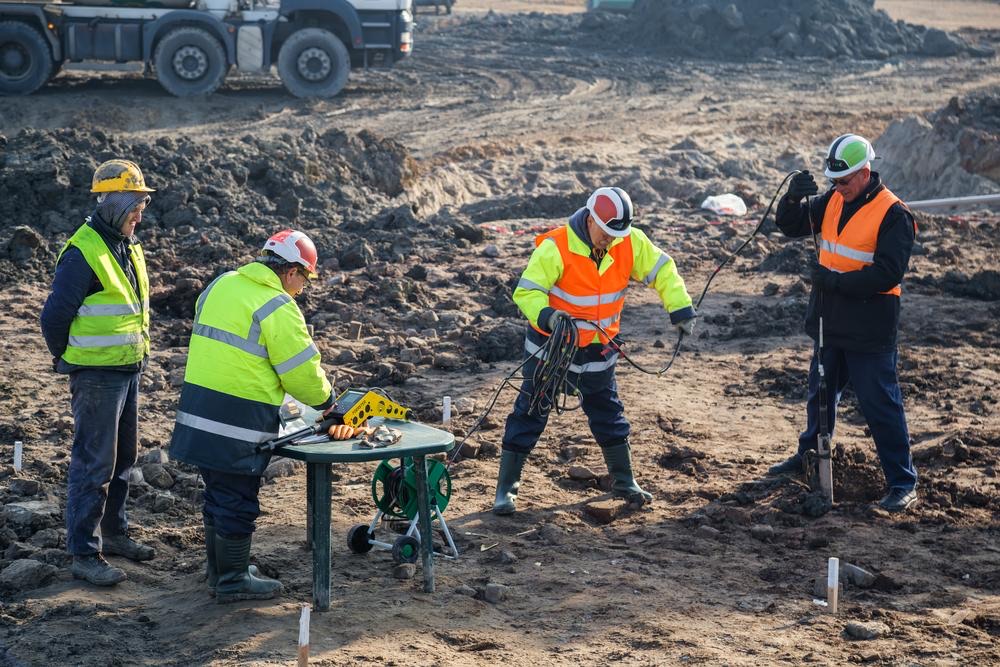
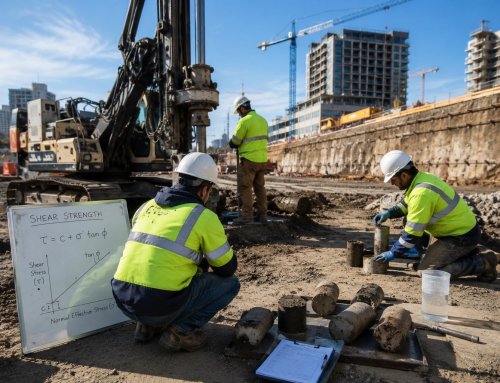
Expansive clay soil causing foundation heave at construction site during geotechnical investigation of soil swell potential.
Where Expansive Soils Are Found?
Expansive soils are found in many areas. They are common in dry climates. These regions have wet and dry cycles.
They also occur at many construction sites. Homes and buildings are often affected. Roads and pavements also suffer.
In California, expansive soils are common. The California Geological Survey provides maps of expansive soil areas. These maps help identify risk zones.
Why Is Swell Potential a Concern?
Swell potential increases the soil volume and weakens the bearing capacity of the soil. Not only is it a risk for the foundation of the buildings, but also, here are some detailed reasons why soil swell is a concern.
Mechanism of Soil Expansion
Clay particles attract water. Water enters between particles. This pushes them apart. The soil volume increases. This expansion creates pressure. The pressure pushes foundations upward. Movement begins slowly.
Soil Heave in Construction
Soil heave means upward movement. It happens when soil expands. The ground lifts. Slabs and shallow foundations are affected first. The movement is uneven. Some parts lift more. This causes differential movement.
Damage Caused by Expansive Soils
Expansive soils cause many problems. It may be structural too. Damage increases with time. Repairs can be expensive. Early testing reduces risk. These include:
- Cracks in walls
- Lifted floors
- Uneven settlement
- Foundation movement
- Pavement cracks
- Stuck doors and windows
Testing Methods for Swell Potential
Testing the soil for classification is important. There are different methods to analyze the soil type. For example,
Laboratory Testing Methods
Laboratory tests measure swelling. Engineers collect soil samples. These samples are tested.
- The free swell test measures volume change. Soil is placed in water. Expansion is measured.
- The swell pressure test measures pressure. Soil is confined. Water is added. Pressure is recorded.
- The oedometer test measures vertical expansion. Soil is loaded. Then it is wetted. Movement is measured.
Field Testing Methods
Field testing supports lab results. Engineers collect samples from the site. Moisture content is measured. Soil type is observed. Ground condition is recorded. These observations help identify expansive soil.
Key Parameters Measured
Engineers measure the swell index. They measure swell pressure. Plasticity is also measured. High plasticity means high swelling.
Classification and Identification of Expansive Soils
There are various parameters that determine whether the soil is expansive. Here are these parameters:
Atterberg Limits
Atterberg limits help identify swelling soils. These include the liquid limit and the plastic limit. The liquid limit shows the water content at flow. Plastic limit shows plastic state. Plasticity index is the difference. A high plasticity index indicates a high risk of swelling.
Swell Potential Classification Systems
Soils are grouped by swelling level. Engineers use this classification for design. These include:
- Low swell
- Medium swell
- High swell
- Very high swell
Visual and Field Indicators
Some field signs indicate expansive soil. Ground cracks appear in dry weather. Soil becomes sticky when wet. It shrinks and forms gaps when dry. These signs suggest swelling behavior. Testing confirms it.
Design Implications and Foundation Risks
The foundation directly interacts with the building foundation. That’s why the soil swell has serious implications for foundations. However, it is an equal risk for structures too.
Impact on Shallow Foundations
Shallow foundations are highly affected. Expansive soil pushes slabs upward. Differential movement causes cracks. Foundation edges may lift. Slab-on-grade buildings are vulnerable.
Impact on Deep Foundations
Deep foundations reduce swelling effects. Loads transfer deeper. However, the upper soil still expands. Proper design is still required.
Structural Risks
Expansive soils create structural risks. Damage increases over time. These include:
- Wall cracks
- Floor heave
- Uneven settlement
- Door misalignment
- Roof stress
Stabilization & Mitigation Techniques
Soil swell is not a problem without a solution. We can have a structural solution for soil swell. Here are the following techniques for stabilizing the soils.
Soil Replacement
Expansive soil can be removed. Non-expansive soil is placed. This reduces swelling. It may increase the cost.
Chemical Stabilization
Chemical treatment improves soil. Lime reduces plasticity. Cement increases strength. These methods reduce swelling.
Moisture Control
Moisture control reduces expansion. Drainage systems remove water. Moisture barriers block infiltration. Proper grading directs water away.
Structural Solutions
Structural design can reduce damage. Flexible foundations allow movement. Reinforced slabs resist cracking. Void spaces reduce pressure.
Case Studies
For more understanding, here are some case scenarios. For example, these:
Residential Building
Many homes suffer from foundation heave. Floors lift. Walls crack. This often happens after rain. Expansive soil absorbs water after rain, which can lead to high repair costs.
Infrastructure
Expansive soils affect roads. Pavements crack. Surfaces become uneven. Bridges and slabs also move. Transportation agencies like the California Department of Transportation consider expansive soils in design.
Lessons Learned
Early testing for soil swell prevents long-term damage as well as maintenance. Soil investigation reduces risk. Ignoring swell potential increases cost.
Best Practices for Engineers and Builders
There is always space for improvement. However, by following some good practices, builders and engineers can overcome the problem of soil swell. Some of the important points are as follows:
Site Investigation
Site investigation is important. Soil samples must be collected. Subsurface conditions must be studied. The clay layers should be identified by engineers. The change in moisture seasonally should be assessed. Patterns of site grading and drainage patterns should be examined. Design should be preceded by a detailed geotechnical report.
Proper Testing
Laboratory tests like free swell tests and swell pressure tests should be done. Atterberg limits, too, should be established. Moisture-density relations must be considered. Multiple samples should be tested to confirm results. Design decisions should be made by geotechnical engineers before going through test results.
Design Adaptation
The foundation design must take into account soil swelling. Engineers can increase the thickness of the slabs. Reinforcement can be included to control cracking. Where necessary, deep foundations could be utilized.
Below-grade beams may have empty spaces. Plastic links will minimize stress. Drainage systems can also be added by engineers. Absorbency sheaths aid in keeping the water off. Water to the foundations should be graded away.
Construction Quality Control
Uncontrolled fill should not be composed of expansive soils. Replacement soil should meet specifications. The compliance has to be ensured by field inspection. Quality control minimizes the mobility in the future.
Continuous Monitoring
Post-construction monitoring helps. Settlement markers detect changes. Early detection reduces damage. Regular check-ups ought to be done. Drains are to be taken care of. Early diagnosis minimizes loss. Long-term issues are avoided through maintenance.
Documentation and Maintenance Plan
A maintenance plan should be provided to owners. Drainage areas are to be kept clean. There should be a repair of plumbing leaks. Monitoring of irrigation systems should be done. The moisture of the soil must be kept constant. Frequent monitoring is used to uphold performance.
Conclusion
Soil swell potential is important in construction. Expansive soils expand when wet. They shrink when dry. This movement creates pressure. Foundations move. Buildings crack.
Testing helps identify swelling soil. Laboratory and field tests provide data. Engineers use this data for design. Mitigation methods reduce risk.
Ignoring expansive soils leads to damage. Repairs become costly. Proper investigation improves safety.
Understanding swell potential protects structures. Testing and proper design provide long-term performance. Every project should check expansive soil before construction.
F.A.Q.s
What is soil swell potential?
Soil swell potential is the capability of soil to expand after water absorption.
How is swell potential tested?
It is tested using the free swell test, swell pressure test, and oedometer test.
Why are expansive soils dangerous for construction?
They cause soil heave. This leads to cracks and structural damage.
How can we stabilize the expansive soils?
They can be stabilized using lime treatment, soil replacement, and moisture control.
Build with knowledge. Build with confidence. Build smart from the ground up.