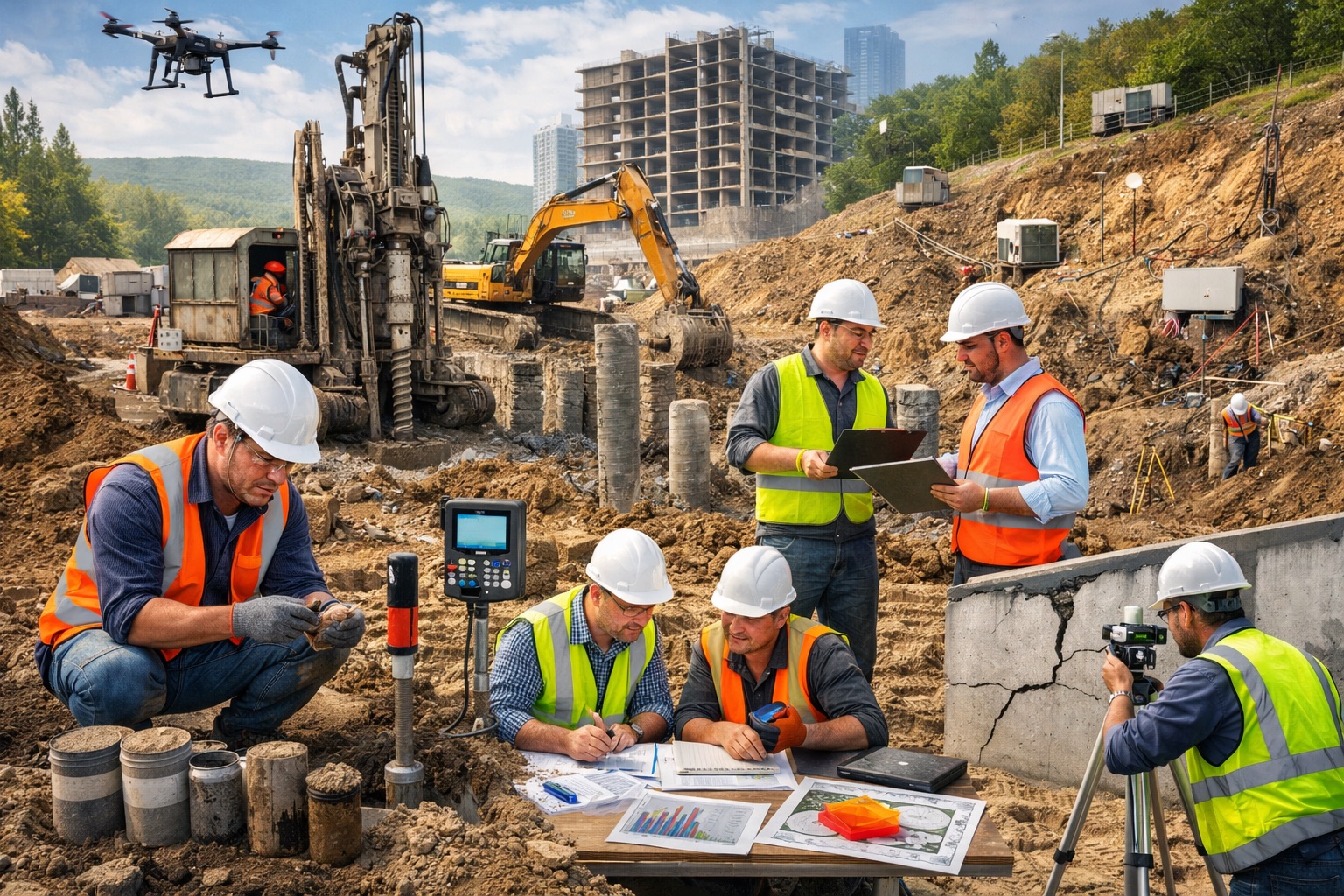
What is the Pre-construction and post-construction Role of Geotechnical Engineering Consultants
Every building is founded on natural soil strata. If the soil is not strong, then the building may fail. For that reason, it is very important to check the ground.
This work is helped by geotechnical engineering consultants. They examine the soil prior to construction beginning. They ensure that the land is safe for construction. They are responsible for testing the soil, checking water levels, and offering design advice. In this way, their work prevents damage, delays, and failure.
Introduction to Geotechnical Engineering Consulting
Geotechnical engineers study tracts of ground. They look at dirt, the rock, and water. They take soil samples from the site. Then they test these samples.
They work with other engineers. Their data is used for planning and designing. They visit the site during construction as well. They check whether they have done the work correctly or not.
Soil is not all alike. Some soil is strong. Some is weak. Weak soil can lead to cracks in buildings. It can also lead to failure. In earthquake areas, there is an even higher risk.
In places such as California, this is very important. Groups such as the California Geological Survey provide rules of safety. Good soil study aids in the construction of safe structures
Soil Investigation and Site Assessment
Engineers first conduct a study of the site. They examine records and maps from long ago. They search for the historical problems, such as flooding or landslides. This gives a basic idea about the land.
And next, they survey the soil on site. They look at the soil depth and moisture. They also study what’s below the ground. This helps them to understand how the soil will behave.
Engineers also use images captured from flying aircraft. These images display slopes, water paths, and land shape. This is used to help determine whether the land is good for construction.
The Phase 1 testing for construction helps prevent project delays and closures. Properly framed inspections safeguard schedules, jobs and project budgets. The Los Angeles Department of Building and Safety says visual checks help catch early problems.
Read more to find out why it’s important to retain a Geotechnical Engineer on-site for your construction projects to help properly develop a property and construction stability, along with avoiding health concerns.
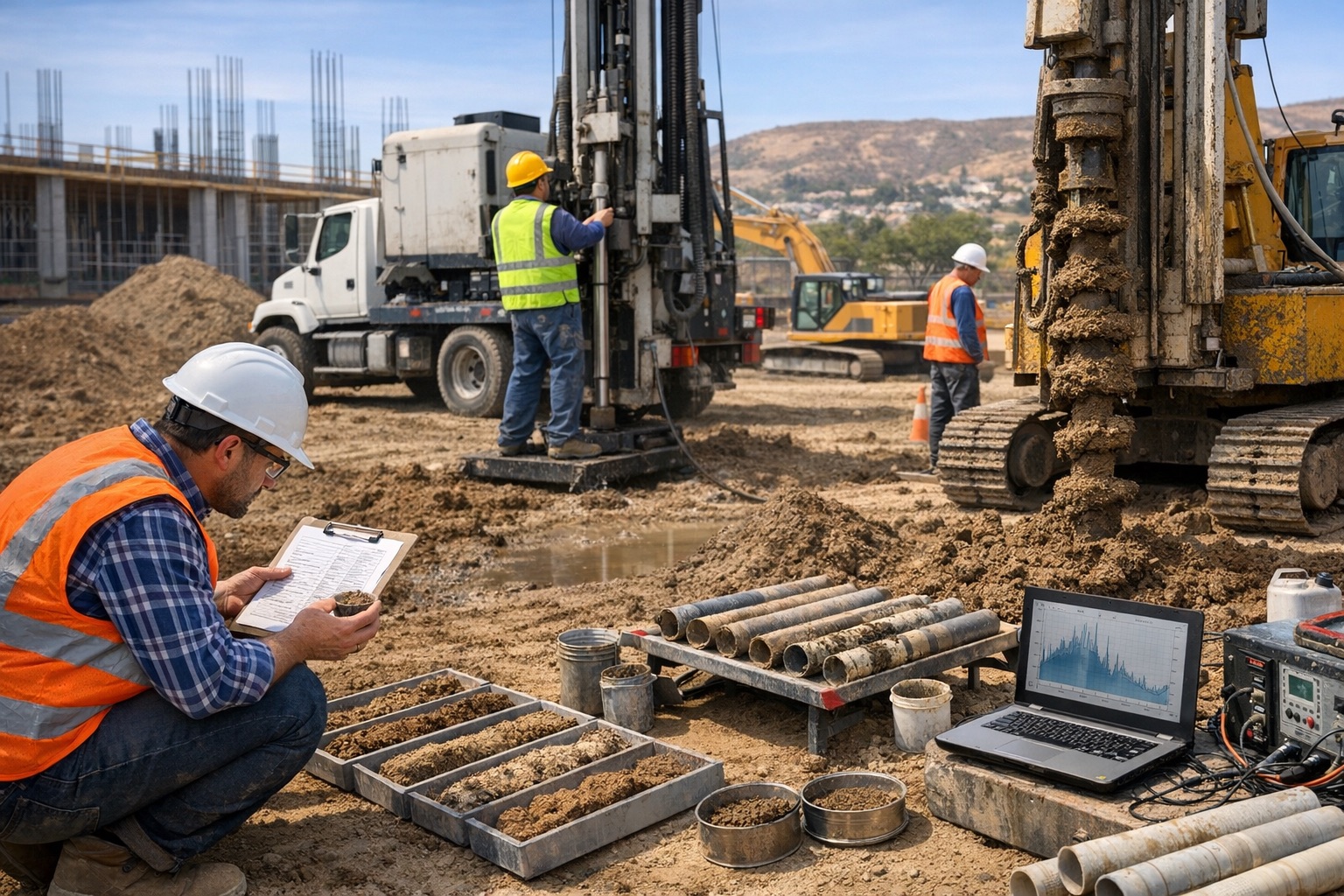
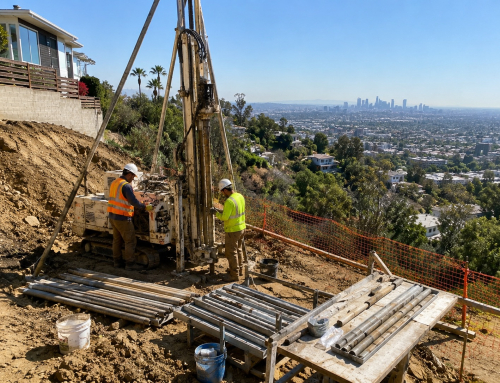
Geotechnical engineers conducting soil investigation and drilling operations at an active construction site to ensure safe foundation design and ground stability.
Geotechnical Drilling and Subsurface Exploration
A geotechnical consultant provides a complete insight into the soil strata. In this regard, they perform the following on a site.
Borehole Drilling and Soil Sampling
Geotechnical engineers are responsible for drilling boreholes. Different-depth batch soil samples are collected. These samples go for testing in labs. Limited Access Drilling.
Limited Access Drilling
Some areas are hard to reach. These consist of small spaces or hills. For these places, special machines are used. This is helpful to collect data at difficult sites, too.
Water and Underground Studies
Water and Studies of the Underground Engineers study groundwater, too. They tempt with the water level and flow. This is important because water can cause your soil to become weak. They can also use tools to study layers of the underground without having to dig.
Cone Penetration Testing or CPT
CPT is a simple test. A steel probe is driven into the ground. It is used to measure the resistance of soil. This is an indicator of how strong the soil is.
Benefits of CPT
- CPT is fast and accurate.
- It gives continuous data.
- It also doesn’t disturb the ground as much.
- Engineers use it to gain an understanding of soil at a rapid rate.
Other Field Tests
These include the SPT test and the shear test. These tests also determine the strength of the soil. They support the CPT results.
Laboratory Testing and Soil Analysis
Only field tests are not enough to evaluate the soil strata. Sometimes, laboratory tests are essential to uncover the tedious details of terrain. For a complete analysis following tests are conducted in the laboratory.
Testing Soil and Rock
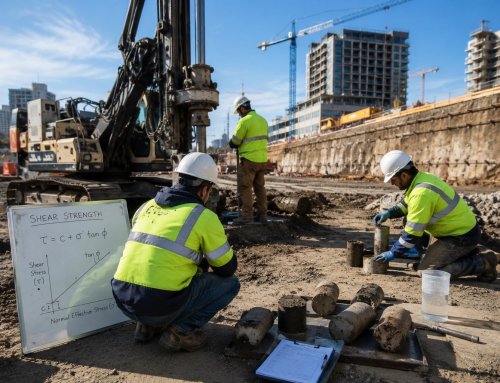
Soil samples taken from the field are later tested in laboratories. Engineers mainly test for size, moisture, and density. Rock samples are also tested. These tests help to understand strength.
Compaction and Strength Tests
Compaction is the measure of how well the soil can be packed. Well-packed soil is strong. Loose soil is weak. Strength test measures the load that soil can carry.
Material testing
Engineers also test construction materials. These include sand and gravel. Good materials make structures stronger.
Geotechnical Reports and Analysis
After the testing is done, engineers prepare reports. Such reports describe the condition of soils. They also give design advice. The following reports are used by builders and designers.
Earthquake and Liquefaction Risk
In some areas, the soil can lose its strength in case of earthquakes. This is called liquefaction. Engineers study this risk. In Los Angeles, rules set down by the Los Angeles Department of Building and Safety require such checks.
Slope and Landslide Study
Engineers also study slopes. They check if the soil can slide. If necessary, they design systems for protection.
Foundation Engineering and Design
For designing a safe building, it is important to design the foundation appropriately. A geotechnical consultant is responsible for adequate design and the type of foundation.
The decision is usually based on the soil properties, building load, and requirements. Here are some of the main types of foundations common in buildings.
Shallow Foundations
For small buildings, shallow foundations are used. They are seated close to the surface of the ground. They are simple and low-cost.
Deep Foundations
Deep foundations are deep holes in the ground. They are used to surface soil that is weak. These are piles and drilled shafts. They provide support for heavy buildings.
Other Solutions
Mat foundations spread a load over a relatively large area. Retaining walls are used to hold soil on slopes.
Ground improvement: This is done to strengthen weak soil.
Construction Monitoring and Support
A geotechnical consultant provides comprehensive support throughout the process of construction. They monitor the geotechnical activities and ensure quality and compliance of the process. Some of the main activities and responsibilities regarding monitoring and support are:
Checking Earthwork
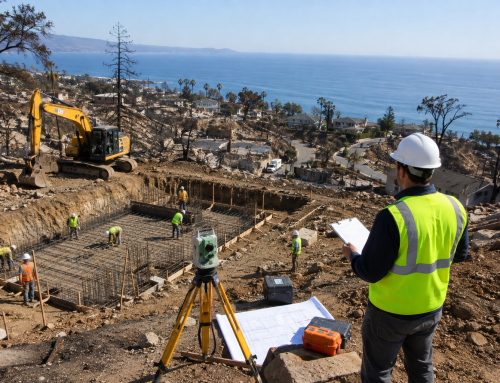
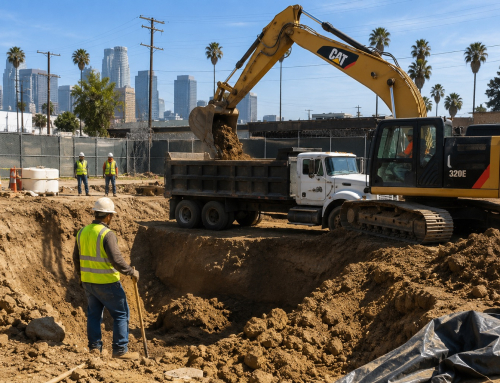
Engineers examine soil during construction. They are responsible for ensuring that the earthwork is well-compacted. This helps to avoid future settlements.
Monitoring Ground Movement
Tools to track movement are used. They demonstrate whether the ground is shifting. This helps to detect the potential problems at an early stage.
Quality Control
Engineers inspect materials and the quality of work. They make sure everything is as per design. Agencies such as the California Department of Transportation have tight rules.
Post-Construction Services
Geotechnical consultants do not stop after construction. Their role continues even after the project is complete. They help ensure the structure remains safe over time.
Here are some important post-construction services.
Failure Investigation
If a structure fails, engineers study the reason. They check soil conditions and design details. They also review construction methods.
They visit the site and collect data. They may take new soil samples. They are intended to find the root cause of failure. This helps prevent the same issue in the future.
Repair and Strengthening
Engineers help repair damaged structures. They design solutions to fix weak foundations. They may use underpinning or soil improvement methods.
They also repair retaining walls and maintain the slopes. Such solutions help to restore structural safety and ground stability.
Long-Term Monitoring
Monitoring continues after construction. Engineers track soil movement and settlement. They use instruments to measure changes. Regular checks help detect problems early. This keeps the structure safe for many years.
Settlement Monitoring and Performance Review
Some structures may settle over time. Engineers monitor how much the structure moves. They compare it with design limits.
If the settlement is too high, they suggest corrective actions. This helps maintain structural performance.
Groundwater Monitoring
Groundwater levels may change over time. Engineers monitor water levels around the site. High water levels can weaken soil and affect foundations. Proper monitoring helps prevent future damage.
Pavement and Infrastructure Evaluation
For roads and pavements, engineers check surface conditions. They look for cracks, deformation, or settlement. They also study the condition of base layers.
This helps in planning repairs and maintenance. Agencies like the California Department of Transportation often require such evaluations.
Landslide and Slope Monitoring
Slopes may become unstable after construction. Engineers check slopes for any signs of displacement and movement.
Moreover, they look for cracks, erosion, or sliding. If needed, they design stabilization measures. In regions like California, this is very important due to hilly terrain.
Forensic Engineering and Expert Support
Geotechnical consultants also provide forensic services. They support legal cases related to construction failure.
They prepare technical reports and provide expert opinions. Their analysis helps resolve disputes.
Maintenance Planning and Risk Management
Engineers help plan long-term maintenance. They identify the risks and suggest suitable preventive measures. They guide the owners to maintain the site. This reduces future repair costs.
Upgrades and Expansion Support
If a building needs expansion, engineers study the existing soil. They check if the foundation can handle an extra load. If needed, they design upgrades. This ensures safe expansion of the structure.
Conclusion
Geotechnical consultants play an important role in construction. They conduct a site evaluation even before ground preparation work begins. They assist in designing the safe foundations.
They reduce the risks and prevent geotechnical failures. Projects can encounter serious problems without geotechnical consultants. Their work is to protect buildings, people, and investment.
In areas of weak soil or earthquakes, their role is all the more important. Safe and successful construction is made possible with correct testing and design.
Build with knowledge. Build with confidence. Build smart from the ground up.