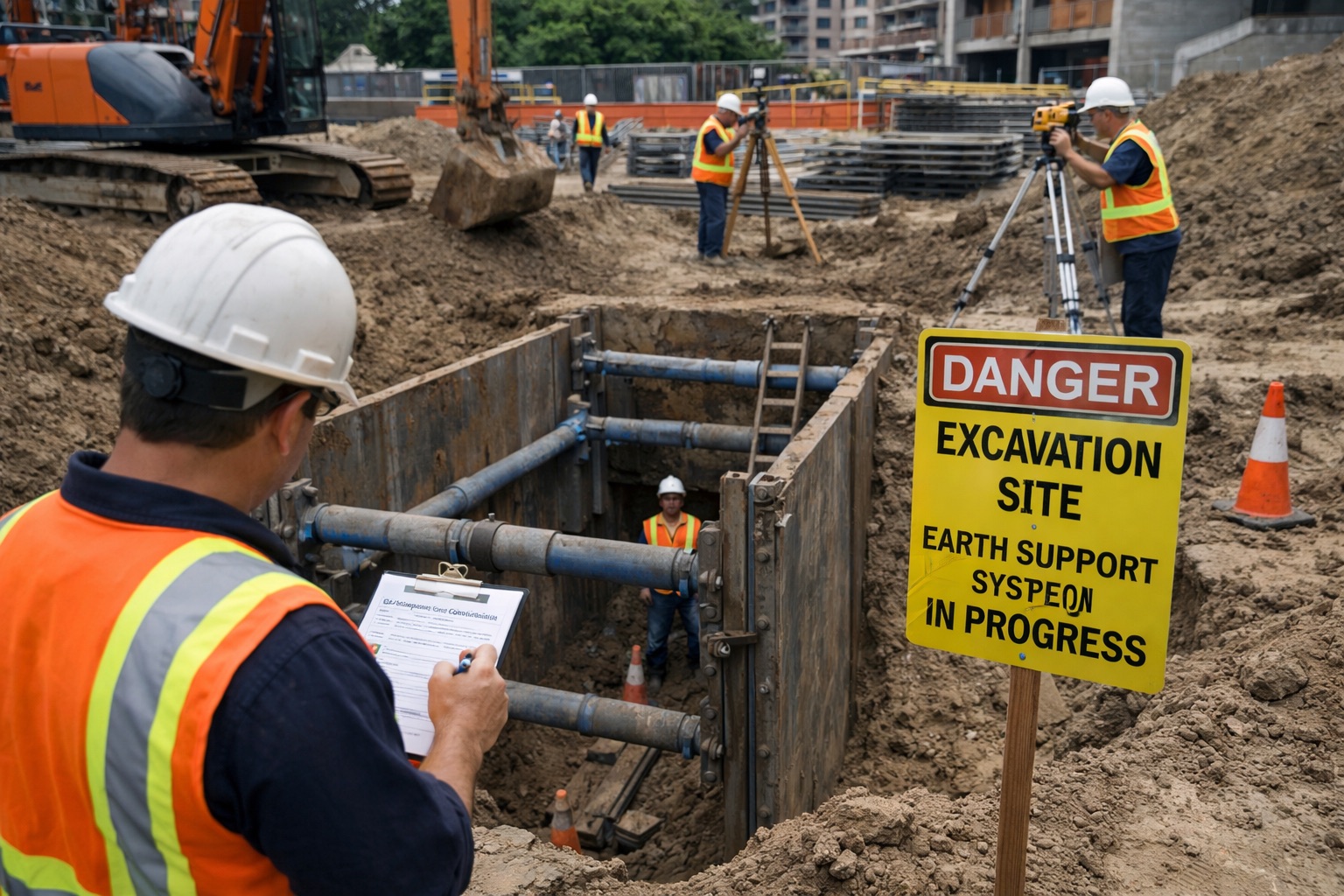
Introduction to Excavation Compliance
Excavation is a typical form of construction work that is done for new foundation constructions in Southern California. It is one of the most dangerous construction activities. Workers dig the soil to build foundations, pipelines, and basements. But digging the ground may be very dangerous.
Without warning, the soil is liable to cave in. Water has been an entry point into the excavation. Nearby structures may get unstable. These risks can cause injury, damage, or delays.
That is why compliance at excavation sites and inspections of earth support systems are very important. Proper planning, inspection, and monitoring make the workers safe. They also protect from nearby buildings and infrastructure.
Why is Excavation Compliance Important?
Excavation is not safe without proper control. When soil has been removed, there is one less thing supporting the ground. The sides of trenches may collapse. This can trap workers inside.
Water may also flow into the excavation. This weakens the soil and increases pressure on soil retaining walls.
The weather can make the situation worse. Rain can soften the soil. Dry weather can lead to cracks, and safety should always be first.
Earth support systems help hold soil in place. These systems fit the sides of trenches and deep excavations. These prevent the collapse of soil.
They also protect the adjacent buildings, roads, and utilities. Excavation work becomes very risky without proper support.
Rules and inspections are ways of making excavation sites safe. Compliance ensures that work is done to safety standards. It also reduces the risk of accidents.
Inspections help to spot problems in the early stages. Engineers can cure problems before they are dangerous.
There are some guidelines to follow for safe excavation. Agencies such as the Los Angeles Department of Building and Safety and the California Department of Transportation imply these guidelines.
Understanding Excavation Site Compliance
Excavation work must have safety rules. These rules are for the protection of workers and surrounding structures. They also ensure that safe construction practices are followed. These standards are set by local and state agencies.
Contractors are required to comply with them at all times. There are several important factors in excavation safety. The type of soil is one of the most important. Some soils are strong. Others are weak and unstable.
Trench depth also matters. Deep excavations require more support. Water control is a second important aspect.
Groundwater needs to be managed correctly. All these factors are to be checked before and during the excavation.
Every excavation site needs to have a trained person. This person is referred to as a competent person. They inspect the site daily.
They look for hazards, i.e., cracks, water, or soil movement. If they discover an issue, they take action immediately. Their role is important to site safety.
Types of Earth Support Systems Used in Excavation
We will break down the important of the difference types of Earth Support Systems Used in Excavations for Construction Sites in Southern California.
Sloping and Benching Systems
Sloping was one of the simplest methods. The sides of the excavation are cut at an angle. This helps to minimize the risk of collapse.
Benching creates steps in the soil. These steps are used for stabilizing the walls of the trench. These approaches are very good in stable soil conditions.
Excavation Compliance for Construction is one of the most important steps in the engineering process to avoid any fines and closures during construction. Proper soil testing and soil compaction reports and inspections help you safeguard schedules, jobs and project budgets. The Los Angeles Department of Building and Safety says visual checks help catch early problems.
Shoring Systems
Shoring systems help to support the walls of the trenches directly. Hydraulic shoring involves using metal supports to hold the soil in place. These supports are able to be adjusted easily.
Timber shoring requires wooden beams. It is common in the smaller projects. Trench shields made of aluminum are used, too. They are used to protect workers in trenches.
Read more to find out Excavation Compliance for construction sites can help properly develop a property and construction stability, along with avoiding health concerns.
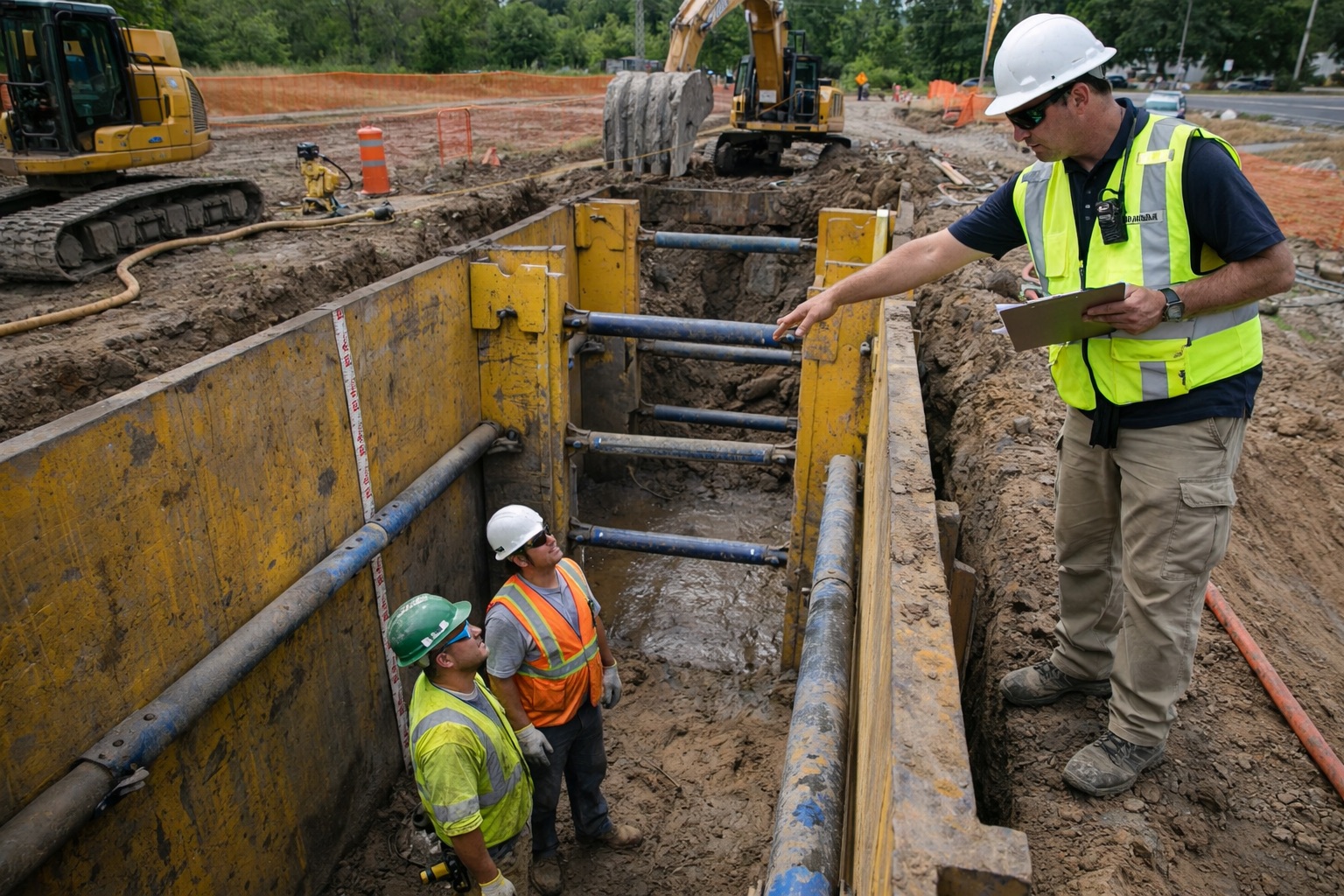
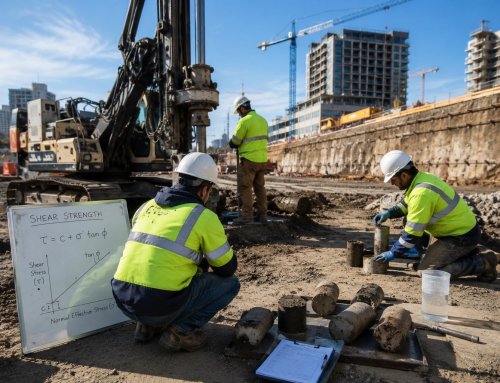
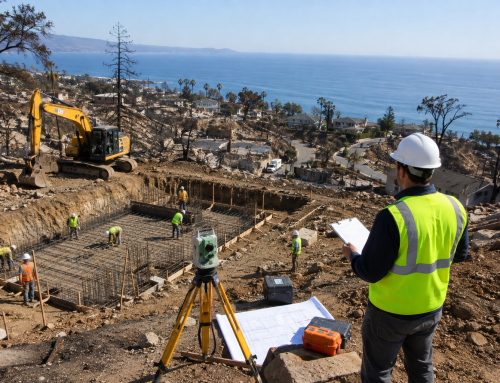
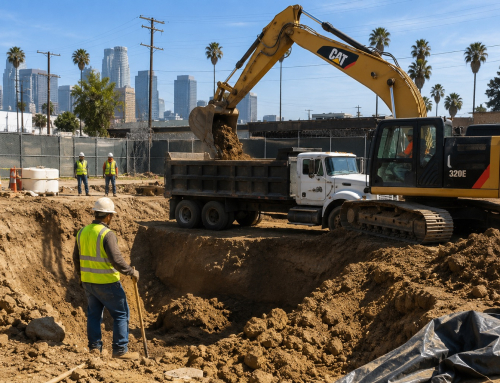
Excavation safety inspection in progress with trench shoring system, site engineer reviewing compliance checklist, and earth support systems ensuring stability on an active construction site
Soldier Pile and Lagging Systems
This is a system that uses steel piles driven into the ground. Wood or concrete panels are laid between the piles. These panels hold the soil. This method is typically used for deep excavations.
Sheet Pile Retaining Systems
Sheet piles are long pieces of steel that are forced into the ground. They form a continuous wall. This wall prevents water or act of holding the soil. This system is useful in areas with high groundwater.
Soil Nailing and Anchored Wall Systems
Soil nailing involves enhancing soil strength using steel reinforcing bars. These bars have been inserted into the soil and set into place.
Anchored systems are based on retaining walls being anchored with cables or rods. These kinds of systems are used for large and deep excavations.
Inspection of Excavation Support Systems
It’s important to understand the inspection of Excavation Support Systems and how it can affect your construction process with permits, haults, and closures being some of the biggest factors.
Pre-Construction Inspection
Inspection begins before the excavation starts. Engineers view designs in plans. They also study soil reports. They verify whether the design is compatible with site conditions. This step ensures the excavation will be safe.
Daily Excavation Safety Inspections
Excavation sites need to be checked daily. Inspectors observe the walls of the trenches for cracks or movement. They search for water accumulation inside the excavation.
They also determine whether or not support systems are properly installed. Daily inspections will help prevent accidents.
Structural Inspection of Earth Support Systems
Support systems should be checked regularly. Engineers perform an inspection on alignment and stability. They also have checks on braces, anchors, and supports.
If any part is weak or damaged, then it has to be repaired. The system is kept strong if it is regularly inspected.
Monitoring Soil Stability During Excavation
Marshall GeoScience has foundational systems that monitor and ensure soil stability during excavation of construction.
Identifying Signs of Soil Movement
Soil movement is a potentially dangerous condition. Signs include cracks near the excavation’s edge. The ground may settle or sink. These trenches, walls, bulge or can also fall apart. These signs really need to be taken seriously.
Instrumentation and Monitoring Systems
- Engineers use tools to monitor soil behavior.
- Settlement markers indicate whether the ground is moving.
- Inclinometers to measure slope movement.
- Water monitoring systems measure groundwater levels. These tools provide advanced warnings.
Impact of Environmental Conditions
Before building, the soil must be safe. Excavation can uncover hidden problems. If contamination is discovered during construction, work may stop.
This causes delays and higher costs. In hillside areas, geologic review may also involve the California Geological Survey. Environmental safety is a serious matter across the State of California.
The environment affects the excavation safety. For example,
- Rain increases the pressure on the soil and reduces its strength.
- Dry weather can lead to cracks.
- The wind can also play a part in the loose soil.
- Engineers need to take all weather conditions into account at all times.
Engineering Considerations for Excavation Safety
Top Engineering Considerations for Excavation Safety in Southern California
Soil Classification and Stability Analysis
Different soils tend to behave differently. Clay is sticky and retains its shape. Sand is easy to move and crumbles upon collapse.
Engineers study soil type before excavation. They also assess the soil’s load-bearing capacity. This helps them make the right choice about which support system they need.
Groundwater Systems and Dewatering Systems
Water is a huge issue in excavation. Groundwater can dilute soil, increasing pressure. Water is removed from the site using Dewatering Systems. Pumps are used to control water levels. This makes the excavation safe and dry.
Effects of Adjacent Structures and Utilities
- Excavation can affect adjacent buildings.
- Removing soil may reduce support for foundations.
- Utilities such as pipes and cables might also be in danger.
- Engineers need to keep close tabs on such structures. They go to some lengths to protect them during excavation.
Documentation & Compliance Reporting
Checklists are used to ensure safety. Inspectors record soil conditions and site observations. They point out the dangers or problems. These records are used to help track the site conditions over time.
Engineers prepare reports for all inspections. These reports are important for ensuring safety measures. They also prove their compliance with regulations. These documents are extremely important for project approval.
Clear communication is very significant. Engineers communicate findings to contractors. And, if a problem is found, it needs to be corrected as soon as possible. Communication is a component of accident prevention.
Common Excavation Compliance Issues
Sometimes support systems are not installed correctly. Braces or anchors can be absent. This weakens the structure, increasing the risk.
Water can be collected inside the excavation. This makes soil unstable. Without good drainage, there is a higher risk of collapse.
If the soil movement is not monitored, the problems may remain unnoticed. This may result in immediate failure. Regular monitoring is inevitable to keep it safe.
Tips for Excavation Safety
- The first step for safety is planning.
- Engineers require information on the soil and site conditions.
- They design support systems based on their findings.
- Good planning reduces risks.
- Excavation site personnel must monitor at all times.
- Frequent inspections help detect the problems at an early stage. This allows one to take fast action to prevent accidents.
- Workers and supervisors should know the safety practices. They also need to be familiar with the dangers of excavation.
- Training is important for helping workers react to hazards. Safety programs lead to improved site overall safety.
Conclusion
Excavation work is risky if some measures are not taken may be safe. Compliance and inspection help protect workers and structures. They take care that safety rules are adhered to at work.
Earth support systems prevent soil collapse. They maintain stables and secure trenches. They also secure the nearby infrastructure.
Excavation safety is never to be ignored. Proper planning, inspection, and monitoring are important. Engineers and contractors must work together. Excavation may be safe and successful with the proper approach.
Build with knowledge. Build with confidence. Build smart from the ground up.