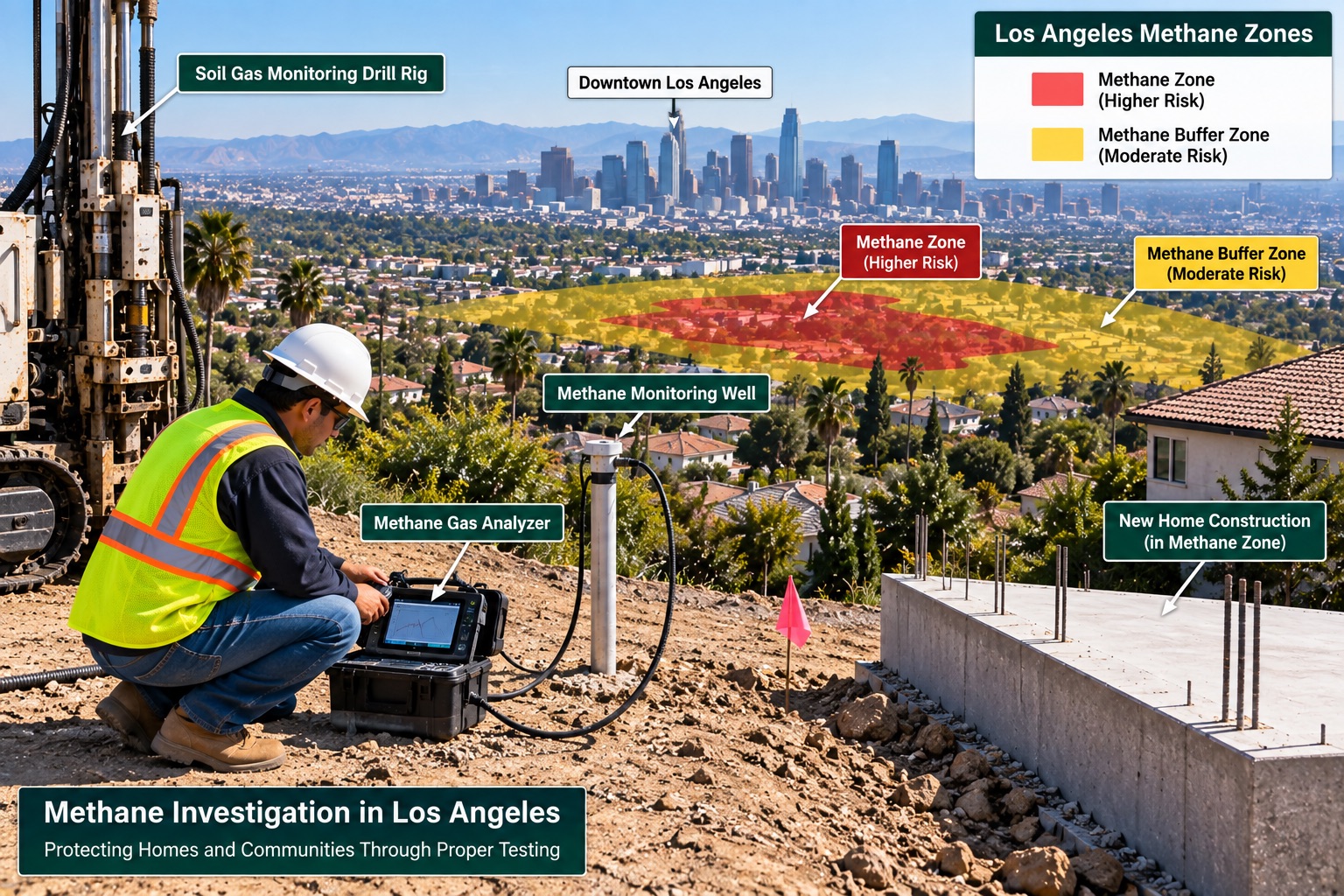
LA Methane Zones Explained for Homeowners
If you are buying, remodeling, or building in Los Angeles, you may come across the term “methane zone”. This term is actually one of the more well-understood and well-regulated parts of building in this city.
Los Angeles rests on the oldest crude oil fields in the United States, and that history still shapes what is under the foundation of most homes in LA today. This guide explains Los Angeles methane hazard zones and how to check the Los Angeles methane zone map. It further guides you on what a methane zone in Los Angeles means for your project, your budget, and your safety.
Why Los Angeles Has Methane Zones in the First Place?
LA was one of the most productive oil field areas in the Nation during the late 1800s. Thousands of wells were drilled throughout the city during the 1890s to mid-1900s. But many of these wells, however, were covered decades later, not removed.
That petroleum history didn’t vanish when the derricks came down. Natural gas is still in the soil and rock beneath large parts of the city. It can move slowly upwards and outwards in the ground.
Methane is flammable and found in confined areas throughout residential areas in Los Angeles. The Los Angeles Department of Building and Safety built a formal tracking system. The system identifies where these methane risks are highest and requires safety measures for anyone building there.
That system is what’s now known as the Los Angeles methane hazard zone — officially, the Methane Zone and Methane Buffer Zone.
What Exactly Is a Methane Zone?
The LADBS methane district map — maintained by the Los Angeles Department of Building and Safety (LADBS) — divides property citywide into three categories:
- Methane Zone — areas directly over confirmed sources of underground methane, usually old oil fields, tar seeps, or landfills.
- Methane Buffer Zone — the surrounding perimeter, where gas from a nearby source could still migrate laterally through the soil. This is what most people mean by the la methane buffer zone.
- No Methane Hazard — everywhere else, based on current mapping.
These locations are not guesses but the result of research and oil well records. The city has obtained it from decades of records, tar seep locations, landfill boundaries, and soil gas testing data.
Methane Zones in LA: Maps & Guides
Methane zones are not scattered randomly. They tend to trace the footprint of historic oil fields and landfill sites, which means some neighborhoods deal with this far more than others. Some areas always occur on the map. It consists of the Fairfax District, Hancock Park, Mid-Wilshire, Koreatown, Playa Vista, Wilmington, and parts of Downtown LA, Boyle Heights, Lincoln Heights, and Echo Park.
As long as your home is close to any of these places, you must review the exact situation. You must not assume anything either way, as boundaries can be surprisingly specific down to the individual parcel.
Is My House in a Methane Zone? How to Check
If you are asking “is my house in a methane zone,” there are two free, official tools:
- ZIMAS (Zone Information and Map Access System) — the City of Los Angeles’s official property lookup tool. ZIMAS is the fastest way to check the Los Angeles methane zone map for a specific address. Type in your address, open the “Additional Information” panel, and look for the “Methane Hazard Site” field. It will read “No,” “Methane Buffer Zone,” or “Methane Zone.”
- The LADBS Methane and Methane Buffer Zones Map — a citywide GIS map, useful for a general neighborhood-level view. However, ZIMAS is the authoritative source for a specific parcel.
This system only covers properties within the City of Los Angeles proper. For unincorporated LA County and separate city municipalities, you should contact the Los Angeles County Department of Regional Planning. County and city building departments have their own hazard mapping.
(CalGEM)’s Well Finder Tool search will give nearby active and abandoned oil and gas well records. It lets you search by address for nearby well records, active and abandoned.
The California Geological Survey is the state’s authority for seismic and geologic hazard data. Ultimately, scheduling an appointment with Marshall Geoscience Environmental Engineers in Southern California.
Our methane testing and environmental testing laboratory services in Los Angeles help achieve your construction goals by avoiding risky project decisions that can cause massive construction issues.
Methane Mitigation Requirements Los Angeles Enforces for New Construction
If your property falls inside a Methane Zone, the mitigation requirements set by Los Angeles Department of Building and Safety (LADBS) apply. You need it before you apply for a new construction project permit, an addition, or many types of alterations.
This is the core of what people mean by methane mitigation requirements in Los Angeles — roughly, here’s how the process works:
- Testing first. A soil gas test determines the level of methane actually present at your specific site. Skip the test, and LADBS will typically assume the worst-case scenario. Then it will require the highest level of mitigation by default.
- Site Design Levels. Based on your test results, you will have a methane mitigation plan for your project under LA Municipal Code Table 71. It may include one of five site design levels. Such as minimal measures to a full sub-slab vapor barrier, venting system, and gas alarm system.
- Design and installation. A licensed professional designs the system to LADBS’s methane mitigation standards. He uses the LADBS-approved materials and methods, and has an inspection as part of your building permit process.
- Existing buildings aren’t automatically exempt. If you are doing permitted alteration work, even something like a room addition, the city building codes can trigger compliance. Doesn’t matter if the building has stood for decades with no mitigation system installed.
None of this is optional paperwork. It’s a legitimate safety requirement, since accumulated methane in an enclosed structure poses a real fire and explosion risk.
LADBS’s own Methane Mitigation ordinance and standards spell out the exact requirements and their reasons. It is somewhat a manageable, well-established process that thousands of LA properties go through every year.
Find out why every property undergoing construction in Los Angeles requires a methane test and methane soil analysis as it can heavily affect your construction, especially when building a permitted foundation for a property in Southern California where underground corrosion can cost you more than just money, it can cost your life!
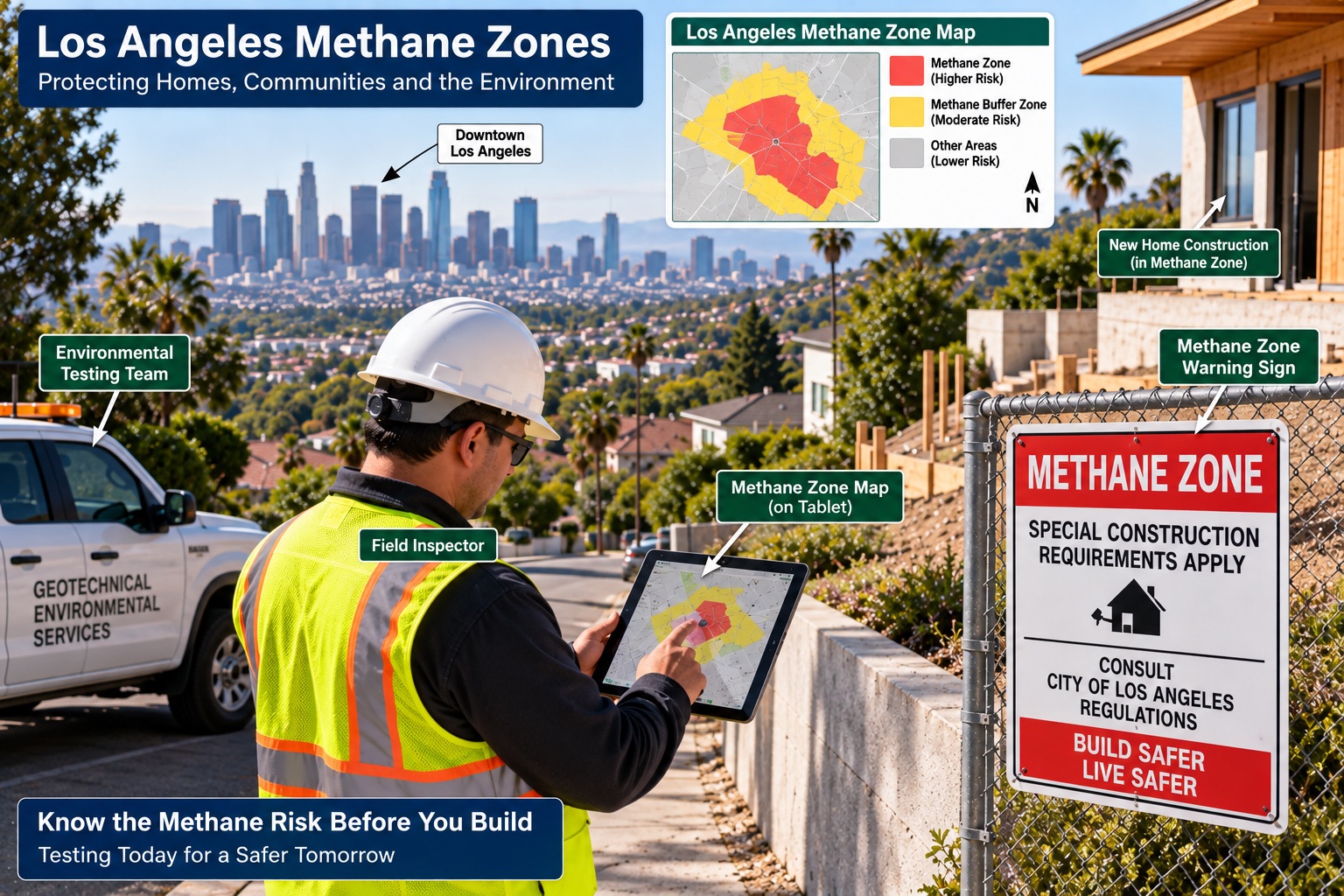
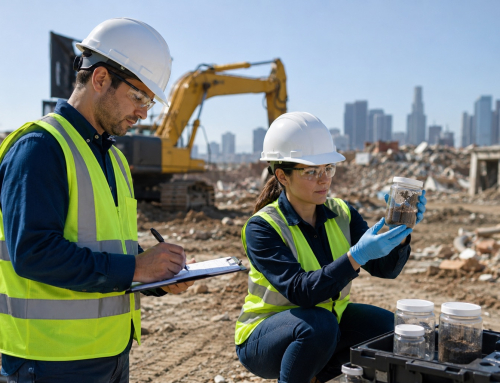
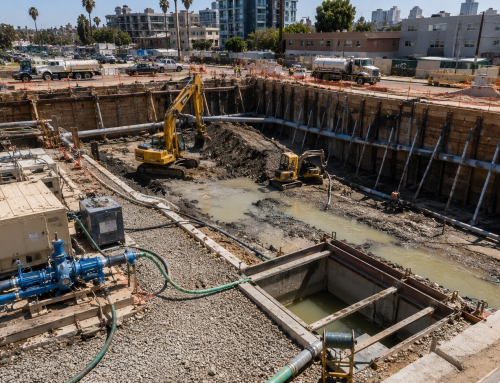
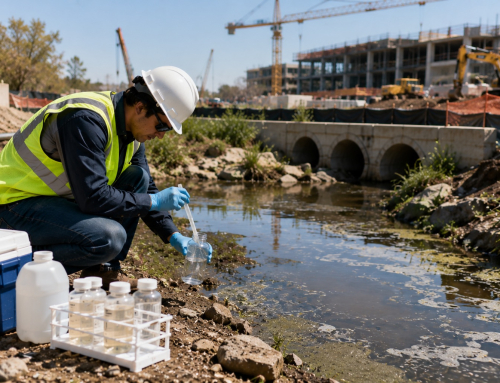
Los Angeles methane zones map and field inspection showing methane-risk areas, environmental testing, methane monitoring, and construction requirements for safer residential development.
What does Methane Zone mean for Los Angeles Homeowners?
For homeowners within methane zones in Los Angeles, this designation is not automatically a deal-breaker. Plenty of desirable, and expensive neighborhoods sit partly or fully within one.
Now, what does this mean?
- Renovation costs may be higher:
Budget for potential soil testing and mitigation system costs if you plan to remodel, add square footage, or rebuild after a fire or other loss.
- Disclosure matters:
Sellers and agents are generally expected to disclose known methane hazard status. So, ask directly and confirm independently through ZIMAS rather than relying on hearsay.
- Existing mitigation systems need maintenance:
If a previous owner already installed a system, ask for documentation and maintenance records. LA Municipal Code requires these systems to stay in working order.
- A known, monitored risk:
Because the city actively tracks and regulates this hazard, it’s arguably safer than living somewhere with unmapped, unmonitored subsurface gas issues.
Ruling Departments for Methane Zones
LADBS and City Planning are the primary agencies responsible for methane zone issues. Although other agencies are involved as appropriate, such as:
- The County of Los Angeles is in charge of planning & permitting hazards in areas outside city boundaries.
- During environmental review of transportation and transit projects, departments consider mapping methodology for methane hazards. It traverses and/or overlaps with historic oil field areas for both Caltrans and LA Metro.
- The California Department of Conservation maintains the data for underground wells and geologic data. They further use it to create the city-level methane maps.
Hire local experts with experience
Check whether your address falls in a Methane Soil zone or Methane Soil sensitive area before hiring methane mitigation designers — it changes your entire permitting path. Our methane testing expert environmental engineers in Los Angeles can help you get it right!
Conclusion
Methane zones are one of those uniquely Los Angeles quirks that trace directly back to the city’s oil boom history. They’re not something to panic over, but they are something to check before you buy, sell, or build.
A five-minute lookup on ZIMAS can answer “is my house in a methane zone” and save you from budget surprises later. If your property is inside a zone, working with a licensed methane testing and mitigation professional early in your planning process will keep your permits and your project timeline on track.
Frequently Asked Questions about Methane Testing
Are methane zones and earthquake fault zones the same?
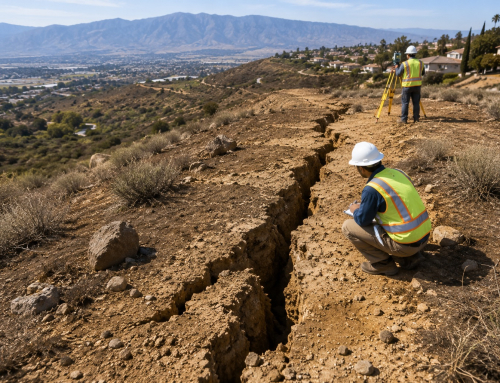
No. These are two separate hazard maps. Methane zones deal with underground gas migration from old oil fields and landfills, while fault zones deal with seismic risk. A property can fall inside one, both, or neither, so check both layers on ZIMAS when evaluating a site.
Does a methane zone designation lower my property value?
Not necessarily. Generally, we have the mitigation manually written, and local contractors understand it. Most buyers and lenders in LA don’t consider it a red flag unless other parts of the city require it.
How long does a methane test take?
It depends on the number of test locations and site size. These factors determine the time duration for a typical soil gas survey. The process may take days to weeks, excluding the lab analysis and reporting time.
Can I skip testing and just install the highest mitigation level?
Yes, you can skip the test, and sometimes property owners choose it to avoid the testing timeline. LADBS will default to requiring the maximum mitigation level (Level 5) without a test report proving a lower hazard level is sufficient.
Who pays for methane mitigation, the buyer or the seller?
This is a negotiable point in a real estate transaction, similar to other inspection-related repairs. It’s worth raising during due diligence rather than after closing.
Build with knowledge. Build with confidence. Build smart from the ground up.