Things Every Los Angeles Property Buyer Should Know
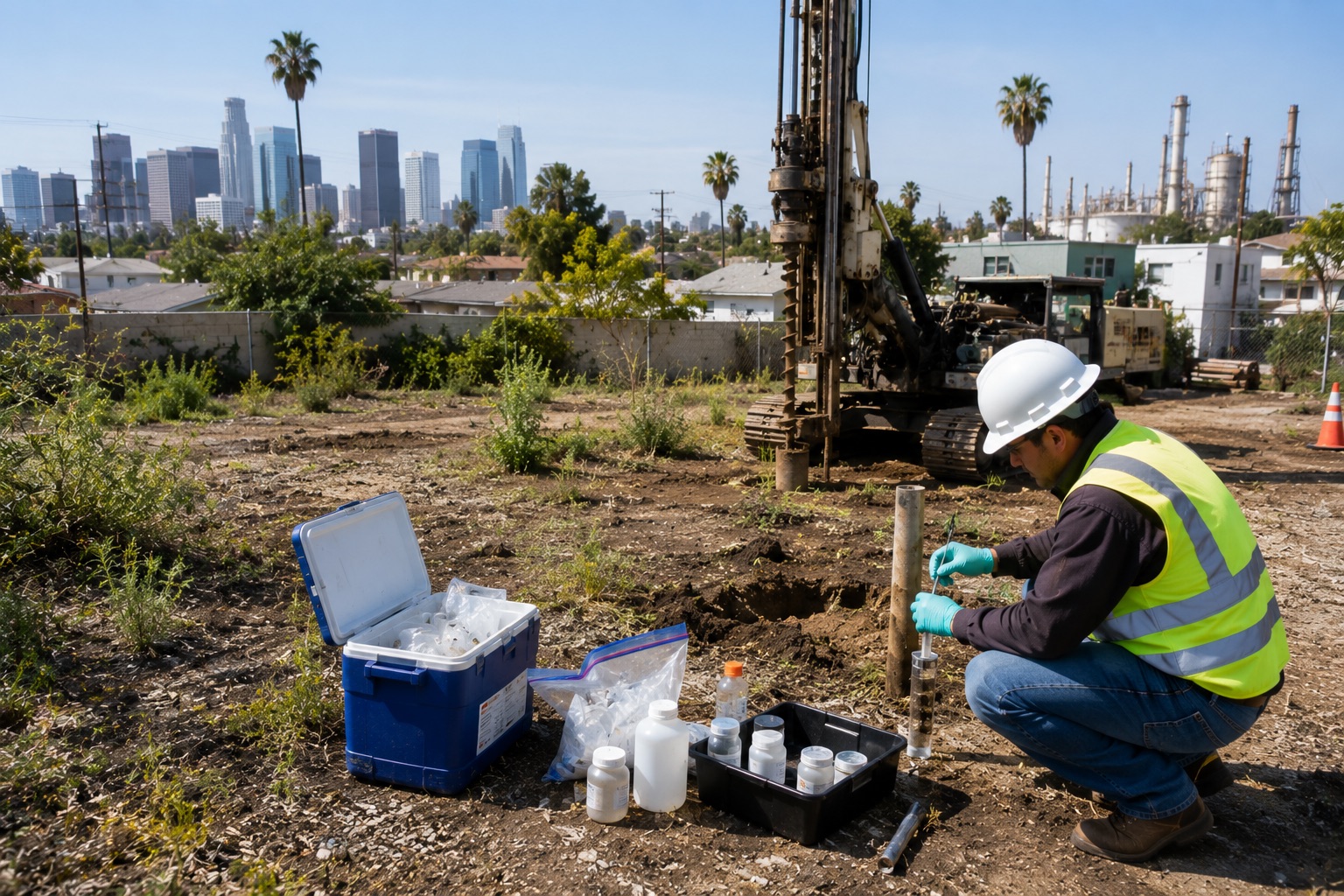
Los Angeles has a long history of oil production, and it still sits under the city’s real estate today. Silent residential streets run over the old oil fields. The old gas stations are now shopping malls, so decades-old buildings still contain lead paint, asbestos, or storage tanks.
When you stroll around a property, most of this is not apparent. This is precisely how the environmental issues get a lot of LA buyers off guard. Over time, we have noticed the same warning signs coming up again and again before deals close. Below are seven environmental red flags that every LA property buyer should watch for — and what to do if you spot one.
Why Environmental Due Diligence Matters in Los Angeles
Environmental contamination does more than lower a property’s resale value. It can also create real legal and financial trouble for the owner. This is true even if the owner had nothing to do with the original pollution.
Under both federal and California law, a property owner is liable to pay for cleanup costs. This is even if contamination occurred well before they purchased the land. The best way to avoid this risk is to have documentation of due diligence performed before purchase.
This type of research typically begins with a Phase 1 Environmental Site Assessment (ESA). In certain instances, there is also an All-Appropriate Inquiry (AAI) study. Both show that you showed reasonable care in investigating and identifying potential environmental hazards before purchase. Here are some red flags to keep in mind so you can determine when this additional measure is worthwhile.
The Property Sits Near a Former Oil Field or Gas Well
One of the largest urban oil fields in the United States forms the foundation on which Los Angeles has developed. Numerous neighborhoods are located on or near old drilling sites. These sites include Beverly Hills, portions of San Pedro, Wilmington, and Culver City. Although today the land appears to be residential only, it may lie over abandoned wells or oil workings.
The California Geological Survey keeps statewide geologic hazard maps. These maps can provide you with additional site context to understand ground conditions around a site.
Why is this important? Old abandoned oil wells and the surrounding soil can generate methane gas. When not managed correctly, this gas can enter into buildings.
For a property within the City of Los Angeles, the LADBS and the methane hazard zone requirements determine property compliance. It is also possible to search for the property in the City’s ZIMAS parcel database.
For an area in a methane zone, methane testing will comprise part of your due diligence before closing. Sometimes, you may require a methane mitigation design as well.
The right deputy inspector prevents project delays and avoid risky project budget issues. Properly framed inspections safeguard schedules, jobs and your project budgets.
The Building Was Constructed Before 1980
Older buildings across LA carry a higher chance of containing hazardous building materials. The risk of buildings containing hazardous building products is higher in older buildings throughout LA.
This is particularly significant for pre-1978 homes, as lead-based paints were not usable then. It was also applicable to buildings before 1980, when asbestos was a part of building materials.
When looking for these properties, and in renovation at older properties, asbestos and lead-based paint surveys are common. These surveys are even more important when considering any changes to the building or the pipe. These materials are hazardous to health if disturbed in an improper manner.
It can also lead to problems with regulators. In some cases, there is another concern: naturally occurring asbestos in the soil. Hillside properties face this issue for grading and excavation.
Appropriate wall type according to your property depends upon the slope shape, the soil, groundwater, and site access. A geotechnical investigation determines the above-mentioned parameters. On fire-scarred lots, do not assume a soils report written before the fire is still valid.
Burned slopes behave differently compared to the real conditions. So, most cities and counties will require an updated soils study before a new retaining wall approval.
Read more to find out why every natural disaster like wildfire and flooding requires a comprehensive structural and foundational analysis before any rebuild can occur. Especially when building a retaining wall for a hillside property in Los Angeles.
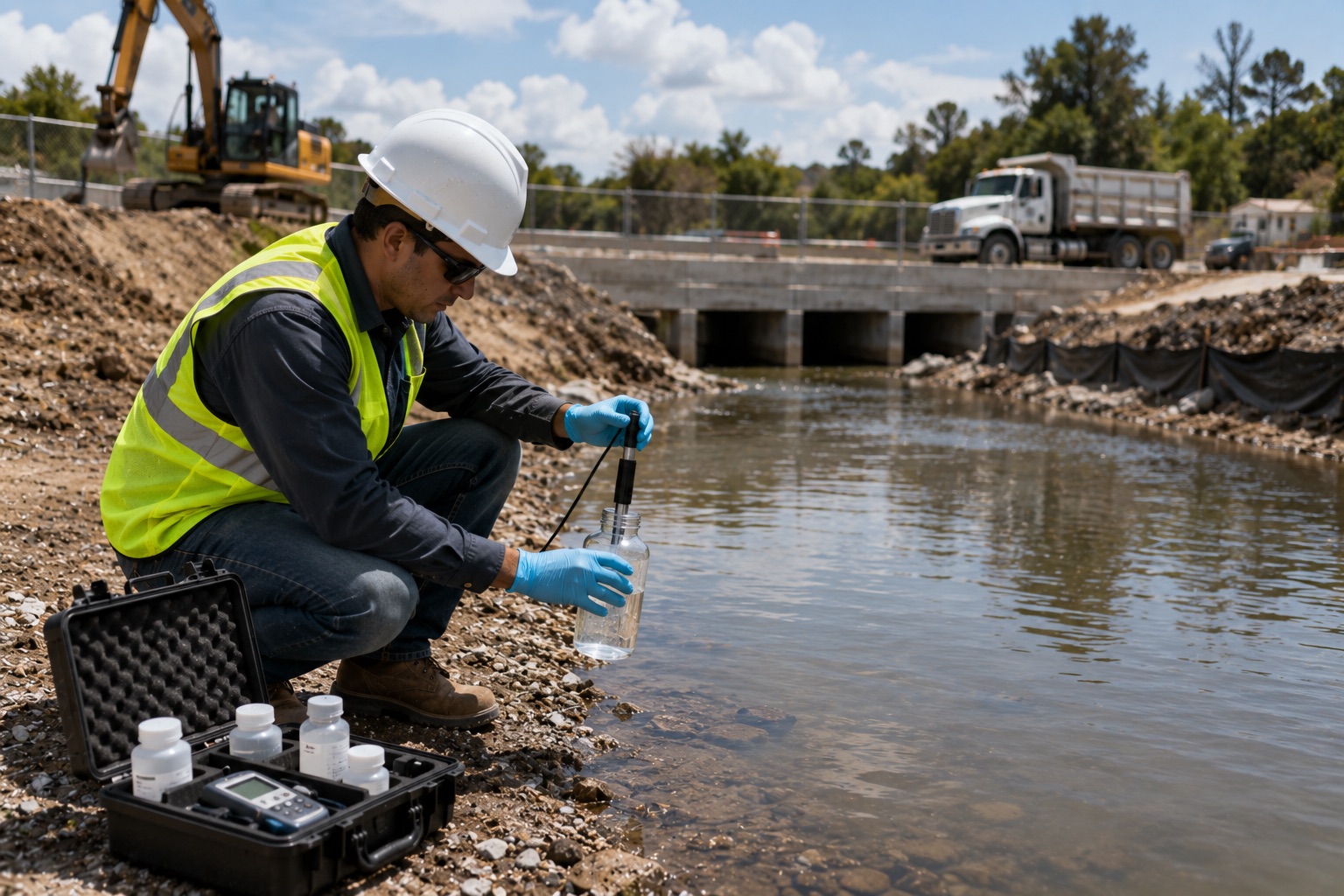
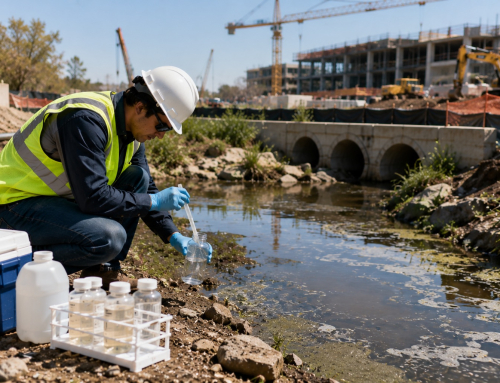
Water quality testing at an active construction site, where environmental professionals collect surface water samples to evaluate stormwater runoff, groundwater quality, and regulatory compliance for infrastructure protection and public safety.
There’s No Record of a Phase I Environmental Site Assessment (Phase 1 ESA)
Sometimes a seller cannot produce a Phase I Environmental Site Assessment, which is a red flag on its own. It does not indicate the contamination of the property, but it means that no one has ever formally checked.
A Phase I ESA includes a review of official records, research into past land use, and a site visit. The goal is to identify “recognized environmental conditions” — signs that point to possible past contamination.
Without this report, you have no documented proof of due diligence. That means you lose the legal protections that environmental law offers to careful buyers. In simple terms, you are buying blind for environmental risk. If there is no Phase I assessment, you must order one before you close.
The Site Was Previously Used for Industrial or Commercial Purposes
Properties were formerly used as a dry cleaner, auto repair, gas station, print shop, or a factory. They are much more likely to contaminate the soil and groundwater at these locations. This may be true even if the location is now incorporated into other structures such as homes, offices, or other commercial developments.
Old solvents, fuels, and chemicals from industries from decades ago don’t just disappear. They will persist in soil and in groundwater long after the business closes up.
This situation is common along LA’s older commercial corridors. In many of these areas, apartments and stores have replaced old industrial buildings. A Phase I review will usually catch this kind of past use. It does so by studying historical records and old aerial photographs.
If you suspect contamination, the report may recommend a Phase II Environmental Site Assessment. A Phase II goes further and includes actual soil and groundwater testing.
Documented Contamination for the Property
Contamination does not respect property lines. A federal environmental database may have listed some neighboring parcel. For example, the CalEPA Cortese List, a leaking underground storage tank case in the State Water Board’s GeoTracker system. Similarly, an active cleanup case was in DTSC’s EnviroStor database.
If so, contamination can spread onto your property through soil or moving groundwater. This can happen even if your specific lot was never under industrial usage.
A proper Phase I ESA includes a search of these regulatory databases. Importantly, the search covers the surrounding properties, not just the one you are buying. This is one of the main reasons the Phase I step should never be skipped. It applies even to properties that seem environmentally “clean” on the surface.
Signs of Underground Storage Tanks
Older gas stations, auto shops, and even some older homes with heating oil systems may have underground storage tanks (USTs). Some of these tanks were never properly removed or closed. Signs to watch for include:
- Vent pipes or fill caps in unusual spots on the property
- Discolored or dying plants in a small, isolated area
- A property history that includes a former service station or fueling operation
- Old permits or records that mention a tank being installed, with no record of it ever being removed
What if a tank is discovered or even just suspected?
You must remove the tank and close it the right way, and some licensed environmental contractors must do this work.
Typically, this occurs under the supervisory authority of the Los Angeles County Department of Public Health, Environmental Health Division, or the appropriate Regional Water Quality Control Board. This omission is important since leaking tanks are a frequent cause of soil and groundwater contamination.
A Landfill, Rail Line, or Major Roadway near Property
The issue is evaluated through aerially deposited lead surveys. These surveys are especially important if you plan grading or landscaping work near these corridors. For the following reasons, landfill assessments are important for any development near known disposal sites:
- Being close to a landfill, active rail line, or a busy road brings a different type of environmental concern.
- Properties next to landfills may face methane gas moving through the soil.
- Land may also face settlement problems caused by buried waste shifting over time.
- Properties along older rail lines and major roads face another risk: elevated lead levels in the soil. This lead comes from decades of vehicle and rail emissions.
What to Do If You Spot a Red Flag
You shouldn’t proceed to the next home if you notice any of these warning signs or clear red flags. It does not stop you from taking the next step either. Based on your findings, you may want to:
- Commissioning a Phase I Environmental Site Assessment
- Moving to a Phase II ESA if the Phase I identifies a recognized environmental condition
- Perform methane, radon, or soil gas surveys for the site
- Inspect asbestos/lead-based paint in older buildings
- Negotiating the remediation, price change, or contingencies dependent on the findings
How Environmental Due Diligence Protects You as a Buyer
An environmental site assessment does more than identify physical risks. When properly documented, it also creates a legal record that can shield you from future liability. This protection is called the “innocent landowner” defense. It becomes available through compliance with All Appropriate Inquiry (AAI) standards, which are set by the U.S. EPA.
Buyers who complete proper due diligence before closing may be protected from responsibility for pre-existing contamination. This applies to pollution they did not cause and did not know about. Skip the process entirely, and you lose that protection.
Get an Environmental Site Assessment Before You Buy
If you are buying property in Los Angeles, do not let environmental risk stay hidden until after closing. Marshall.Geo provides Phase I and Phase II Environmental Site Assessments, methane testing, and full environmental due diligence support across LA County. Contact us before you close to make sure your investment is protected.
The Bottom Line For Testing Your Soil in Los Angeles
Ready to protect your property? Contact our geotechnical engineering team for a post-fire slope assessment. We handle everything from the updated soils report through retaining wall design, deputy inspection, and final certification. So, you rebuild stands on stable ground with us.
Build with knowledge. Build with confidence. Build smart from the ground up.