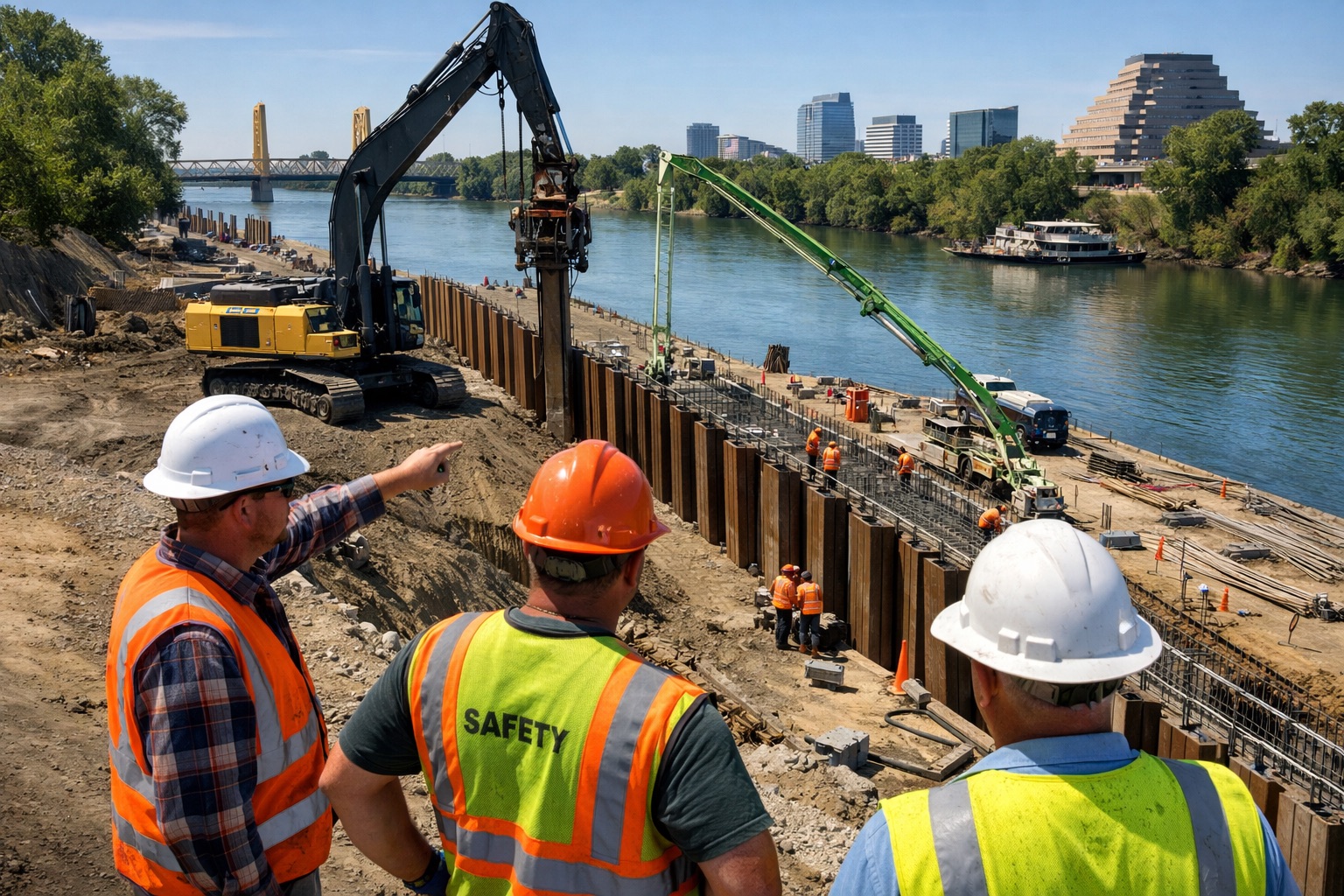
What Are The Main Differences Between Phase 1 and Phase 2 Environmental Assessments?
Purchasing is a big and critical decision as it involves massive money, time, and effort. The purchase of commercial property is even larger. There might be hidden problems in the ground, environmentally. You cannot see them, but they can be very expensive. They can delay your project. They can even put a stop to construction. That is why environmental due diligence is important.
Phase I and Phase II are the two steps for assessing the site environmentally. Many people mix them up. But they are not the same. Let us elaborate on these simple lies, that can save you hundreds and thousands of dollars.
What Is a Phase I Environmental Site Assessment?
Phase I is the first step of the assessment process. It follows standards created by ASTM International. These standards guide environmental professionals.
Phase I is mostly research. It is not testing. The goal is simple. It looks for signs of possible contamination. These signs are called “Recognized Environmental Conditions,” or RECs.
What Happens During Phase I?
They inquire how the land was used in the past. Was it a gas station? Was it a factory? Was it a dry cleaner? Past use matters. Some businesses leave contamination behind.
An environmental consultant will:
- Review old maps
- Check aerial photos
- Study property records
- Search government databases
- Visit the site
- Owners or tenants’ interviews
The Phase 1 testing for construction helps prevent project delays and closures. Properly framed inspections safeguard schedules, jobs and project budgets. The Los Angeles Department of Building and Safety says visual checks help catch early problems.
No Drilling No Sampling in Phase I
It is a paper study and a site visit. Phase I does not include:
- Soil testing
- Groundwater testing
- Lab reports
Read more to find out why a Phase 1 and Phase 1 Assessment can help properly develop a property and construction stability, along with avoiding health concerns.
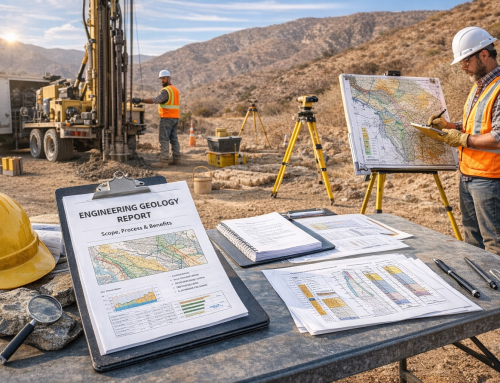
Phase 1 Testing with Marshall GeoScience includes a site visit to your property.
Why Is Phase I Testing Very Important?
Phase I helps protect buyers. Under federal law, property owners can be responsible for cleanup. Even if they did not cause the problem.
A proper Phase I can help protect you from that risk. Most banks require it before giving a loan. It is common in commercial real estate deals.
Phase II Environmental Site Assessment
Phase II is different from the phase I. Where Phase I is a paper study, it involves real testing. If Phase I finds concerns, then Phase II may be recommended.
However, Phase II answers one clear question: “Is there any soil or water contamination?”
What Happens During Phase II?
Phase II is a practical evaluation and study of the sites. It is more related to testing and sampling. This phase includes:
- Drilling soil borings
- Collecting soil samples
- Installing groundwater wells
- Taking water samples
- Sending samples to a lab
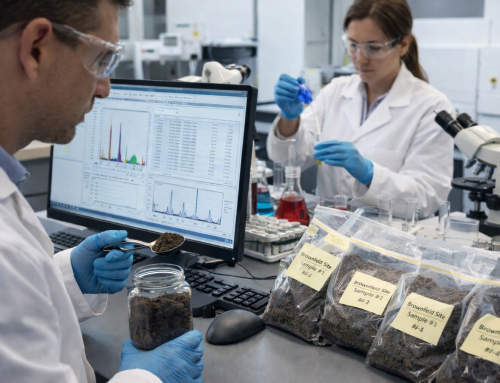
After testing the samples in the laboratory, we can have real numbers. Hence, we can have data. The lab checks for harmful chemicals in the site samples. These may include:
- Petroleum products
- Heavy metals
- Solvents
- Pesticides
The results are compared to limits set by regulators. In CA, clean-up levels are frequently checked by the California Department of Toxic Substances Control and the California State Water Resources Control Board. If these levels are high and unacceptable, then cleanup may be required.
What is the difference between Phase 1 and Phase 2?
To more clearly discuss the environmental assessment process, we can differentiate between them. Here is the difference in easy terms as follows.
| Purpose | Phase I looks for risk | Phase II confirms contamination |
| Testing | Phase I has no sampling. | Phase II includes drilling and lab tests. |
| Cost | Phase I costs less. | Phase II costs more because of testing |
| Time | Phase I may take a few weeks. | Phase II can take longer. |
| Results | Phase I gives opinions based on records. | Phase II gives real lab numbers. |
When Does Phase I Lead to Phase II?
Not every site needs Phase II. Phase I is a preliminary study of the site, and it will open the door for phase II. Stepping into the physical examination of the site depends upon the findings of phase I.
Only when Phase I finds a concern. If there is a risky history of a property, then testing is smart. Common triggers include:
- Old gas stations – These are especially likely to have underground fuel leaking and can contaminate the soil and groundwater.
- Auto repair shops – oil, solvents, and chemicals used in auto repairs would dissolve into the ground over a period of time.
- Industrial buildings – due to manufacturing activities, hazardous substances can be left behind.
- Fuel storage tanks – underground fuel storage tanks can corrode and leak petroleum products.
- Stained soil – Discoloration of the soil being visible can result of chemical spills or leaks.
- Nearby contaminated sites – pollution from nearby properties may flow underground.
In Los Angeles, environmental clearance obtained through a permit process from the Los Angeles Department of Building and Safety may be required for building permits.
In certain cases, the review may include the Los Angeles County Department of Public Health. Every project is different. But local rules matter.
Who Performs These Assessments?
Both phases must be done by trained professionals. Phase I is usually done by:
- Environmental consultants – they do research on a property’s history. They also inspect the site.
- Geologists assess soil and environmental hazards.
- Environmental engineers- they evaluate potential contamination and regulatory compliance
Whereas, Phase II requires:
- Drilling crews – they are responsible for doing soil borings and installing monitoring wells.
- Field technicians – they take soil, water, or vapor samples appropriately.
- Certified laboratories – they analyze samples and give correct test results.
State agencies may monitor clean-up if found. State agencies ensure interests in health and environmental standards are met.
In California, the California Environmental Protection Agency is the agency involved in environmental oversight on a fairly regular basis.
Legal Protection and Liability
Phase I provides legal protection, which is very important. Phase I helps protect buyers from legal risk.
Before building, the soil has to be safe. Hidden issues can be brought to light by excavation. If contamination occurs during construction, construction may stop.
Transportation projects have to comply with environmental standards. These standards are from such agencies as the California Department of Transportation.
Large public projects in Los Angeles also go through environmental review. The rules are established by the Los Angeles County Metropolitan Transportation Authority.
Real Estate and Construction Impact
Environmental testing affects many projects. It is a game-changer in decision-making. The following are some scenarios for observing its effects.
Real Estate Deals
Buyers want to reduce risk. It protects their investment. When the experts found and confirm the contamination in Phase II; they may:
- Ask the seller to fix it
- Negotiate the price
- Cancel the purchase
Construction Projects
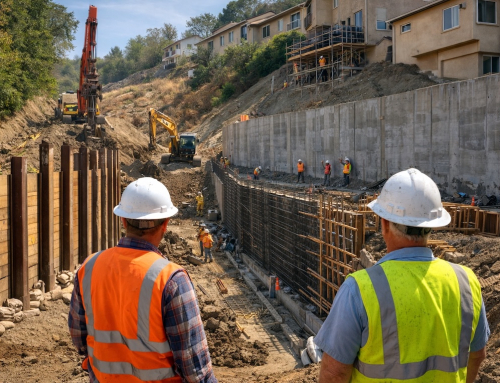
Before building, the soil must be safe. Excavation can uncover hidden problems. If contamination is discovered during construction, work may stop.
This causes delays and higher costs. In hillside areas, geologic review may also involve the California Geological Survey. Environmental safety is a serious matter across the State of California.
Why This Matters in Southern California
Most of the sites in Southern California are being redeveloped. Testing makes sure that the land becomes secure for homes, offices, and schools.
Cities such as Los Angeles require proper environmental review prior to issuance of permits. Skipping this step means that stop-work orders could result.
No developer wants that. Southern California has a long industrial history. In such cases, it is inevitable to have an environmental assessment of the site. Many properties were once used for:
- Oil storage
- Rail yards
- Manufacturing
- Auto services
Cost vs Risk for Phase I and Phase II
Phase I costs less. It is a smart first step. Phase II costs more. But it gives certainty. The cost of testing is small compared to the cost of cleanup.
Early investigation saves money in the long run. It also protects people’s health.
Final Thoughts
Both of the phases of Environmental Site Assessments are different. They have different requirements. Phase I looks at history. Phase II looks at the soil and water.
Phase I finds possible risk. Phase II confirms real contamination. Both are important. They protect buyers. They protect lenders. They protect communities.
If you are buying or developing property in California, do not ignore environmental assessments. They are not just paperwork. They are protection for your project and for future generations.
F.A.Q.s
Define the processing time for Phase I Environmental Site Assessment
Mostly Phase I reports require approximately 2 to 4 weeks. The time duration depends on the size of the property and the availability of records.
What time does it take for a Phase II Environmental Site Assessment?
Phase II may take longer than a few weeks. It depends on the drilling, lab testing, and the site conditions.
Why does Southern California specifically need an environmental assessment?
In the case of many commercial transactions – yes. For development projects, environmental review may be required under state and local rules in the State of California. Large projects require review by federal agencies.
Compare the cost for Phase I and Phase II ESA?
Phase I is generally less expensive because it is not associated with lab tests. Phase II has costs for drinking and geological drilling, sampling, and laboratory analysis of samples.
Build with knowledge. Build with confidence. Build smart from the ground up.