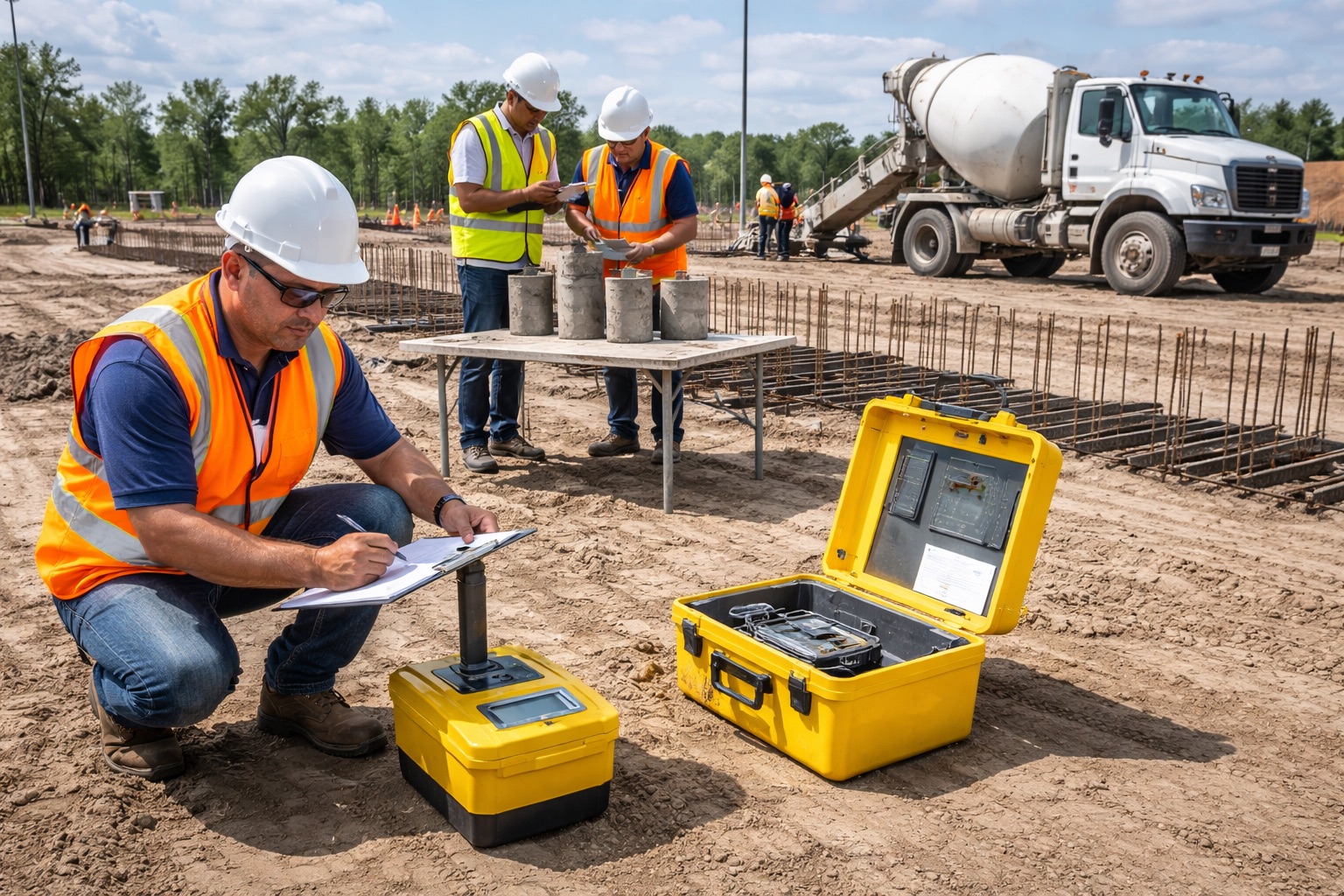
Introduction to ASTM-Based Materials Testing
Construction projects involve the use of numerous materials. These include soil, concrete, steel, and aggregates. Each material must be strong and dependable. If materials were not strong, buildings may fracture or fail. This can increase the serious safety risks.
Because of this, the engineers test materials before and during construction. Many of the projects are based on standards from the American Society for Testing and Materials (ASTM International). These standards describe methods of testing materials in a clear and consistent manner.
ASTM-based testing establishes that materials are safe and suitable for use. It also helps projects pass the regular inspections and obtain building approvals.
In some locations, such as California, testing is sometimes required. Agencies such as the California Department of Transportation use these ASTM standards for quite a few construction projects. ASTM is testing to build safer and stronger structures.
Why Materials Testing Is Important
Every construction project depends on good materials. In this case, materials must be able to support. They must resist the weather. They must also last for many years. Testing to help engineers check if the materials can do these things. There are three main reasons for testing.
Safety
Heavy loads have to be supported by buildings. Weak materials; cracks or breaks in the materials. Testing is used to verify that the materials being used are strong enough.
Durability
Materials are exposed to rain, heat, wind, and moisture. Testing helps to check if materials can last long.
Building Approval
Many projects require test reports before they are approved. For example, as part of construction, the Los Angeles Department of Building and Safety frequently requires materials testing for construction permits. Without testing, projects can run into delays.
What Are ASTM Standards?
ASTM standards are standards for testing materials. They describe the way tests should be done. These rules describe:
- How to collect samples
- How to prepare the samples
- What equipment to use
- How to record the results
Since the rules are clear, engineers are free to trust the results.
If two labs use the same ASTM method, they should produce very similar results. This makes testing reliable.
The Phase 1 testing for construction helps prevent project delays and closures. Properly framed inspections safeguard schedules, jobs and project budgets. The Los Angeles Department of Building and Safety says visual checks help catch early problems.
Read more to find out why it’s important to materials testing before, during, and after construction in order to maintain property and construction stability, along with avoiding health concerns.
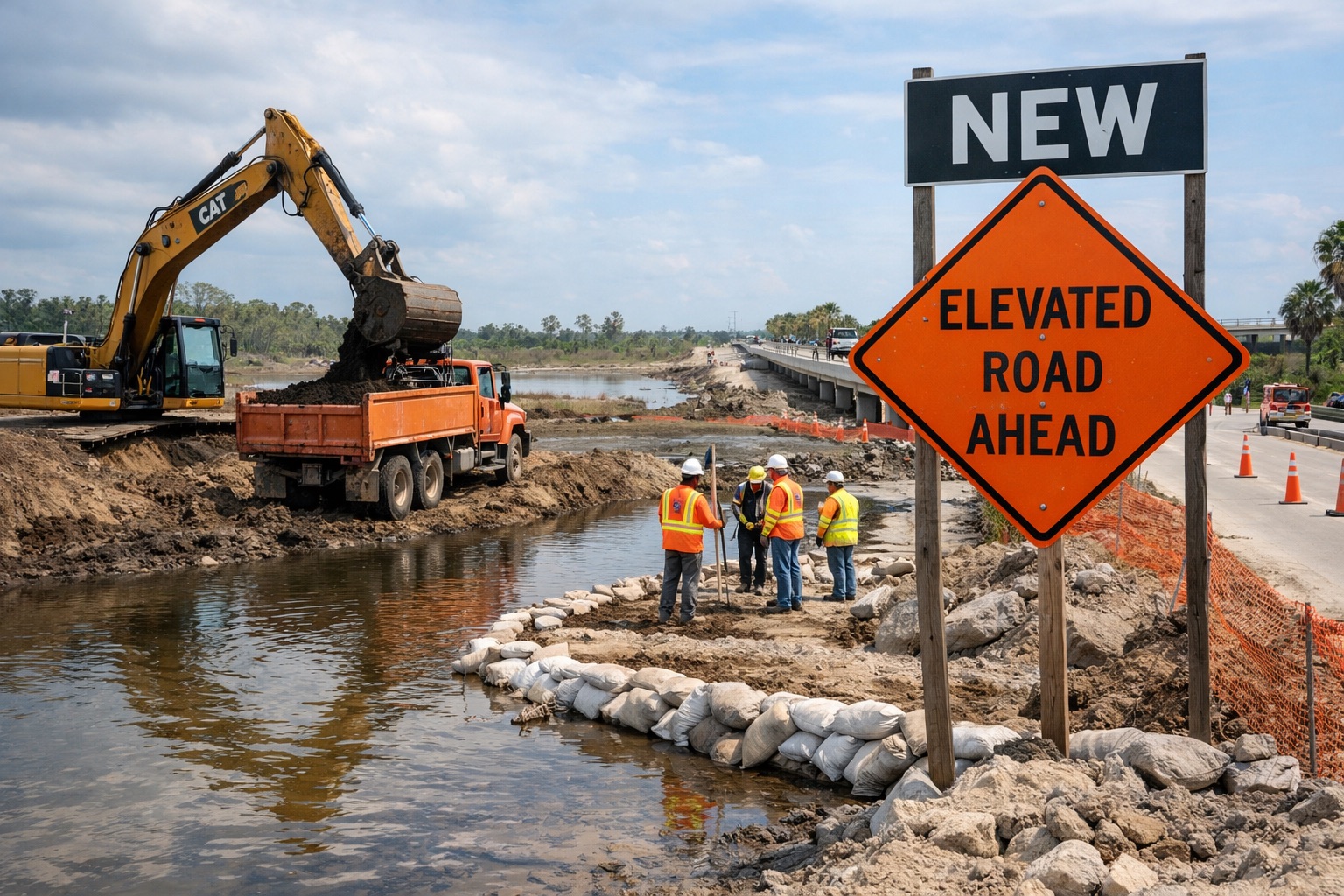
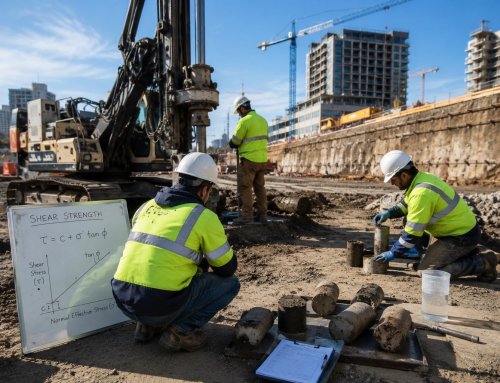
Engineers performing ASTM-based materials testing at a construction site to verify soil compaction, concrete quality, and structural material performance for safe and durable infrastructure.
Common Materials Tested in Construction
Many materials need to be tested before they are utilized in construction.
Concrete
Concrete is one of the most frequent building materials. It is used for foundations and slab structures as well as structures. These tests are used to verify that the concrete mix is correct. Concrete tests help check:
- Strength
- Workability
- Air content
Soil
Soil supports the buildings or foundations. Weak soil can result in settlement and/or cracking. These tests are used by engineers in designing safe foundations. Engineers use the testing of soils to measure:
- Density
- Moisture
- Strength
- Compaction
Aggregates
Aggregates- sand, gravel, such as crushed stone. They are used in concrete and pavement. Testing of the size and quality of these materials is done. Good aggregates help to increase strength and durability.
Asphalt
Asphalt Roads, Parking areas. Testing is used to help ensure that asphalt mixes are strong and stable. Engineers perform tests on asphalt in terms of density and compaction. This helps roads last longer.
Steel
Structural frames; reinforcement is formed of steel. Steel must be able to bear heavy loads. Testing helps verify the strength and flexibility of steel. This is to ensure that the structure can perform safely.
ASTM Tests- Commonly Used in Construction
Engineers have many tests to use in the construction, which come from the ASTM. These tests help confirm that the materials meet the project requirements.
Soil Compaction Test
This test is used to determine the density of compacted soil. Proper compaction in the prevention of settlement. Contractors do this test when carrying out grading work.
Nuclear Density Test
This test is made to measure the soil density in the field. Inspectors use special equipment to quickly inspect compaction. This helps verify whether the soil is conducive to the design requirements.
Concrete Strength Test
Concrete samples are taken as the construction is underway. These samples are cured and lab tested. The test assesses how much load the concrete can bear.
Slump Test
This is a test to measure the workability of fresh concrete. It is used to show the ease with which the concrete flows. Concrete – Too wet or too dry concrete may cause you problems.
Atterberg Limits Test
This test is used for evaluating fine soils such as clay. It shows the behavior of the soil with water. Engineers use this information to categorize the soil types.
Materials Testing During Construction
Testing happens at different stages of a project. Here is a breakdown of all of the different stages of the materials testing process during construction.
Before Construction
Engineers test soil and materials before construction is done. These tests help confirm that the materials meet the project requirements.
During Construction
Most testing occurs during the construction period. These tests ensure that the work is done to project specifications. Inspectors carry out such tests as:
- Soil compaction testing
- Concrete slump testing
- Asphalt density testing
After Construction
Some projects need to be finally tested or inspected. These checks ensure that materials are made without deviating from long-term performance standards.
Role of Testing Laboratories
There are many types of materials tests performed in the laboratory. These labs have technicians as well as special pieces of equipment. They follow very strict procedures in executing tests.
Many labs are certified as being able to do ASTM testing. The results of certified labs are reliable.
Construction Regulations in California
Construction projects in California must be carried out in accordance with strict building codes. There are several agencies that monitor construction quality.
These agencies frequently require test reports before approving construction work. ASTM standards enable projects to meet these requirements. These include:
Advantages of ASTM based Materials Testing
There are many advantages of employing ASTM testing in construction works.
- Safer Structures
Testing helps identify weak or defective materials before they are used. This minimizes the risk of structural failure.
- Better Quality
Testing is used to make sure materials meet project specifications and design standards. This makes the construction overall a lot better.
- Fewer Problems
Testing helps identify issues at the initial stage of the construction process. Proper preparation in estimating and determining repair costs helps avoid costly repairs later.
- Easier Approvals
Test reports help projects pass inspection more quickly. Building departments require testing records from time to time. Clear results from ASTM tests will make it easier to demonstrate that the project conforms to the required standards.
- Better Material Performance
ASTM testing is helpful to engineers as it gives them an idea of how materials will behave under load and environmental factors. This helps in the right choice of materials for each part of the project.
- Longer Structure
Materials that meet ASTM standards tend to perform better. This helps to keep the buildings and infrastructure lasting longer with fewer maintenance issues.
- Better Project Planning
Accurate test results help the engineers make better decisions on design. Reliable data enable engineers to better plan foundations, pavements, and structures.
- Higher Client Confidence
ASTM testing is excellent evidence of adherence to quality standards. This results in trust between project owners, engineers, and contractors.
- Reduced Construction
Risk Testing gives lower chances of unexpected failure during or after construction. The lower the risk, the more it will protect both the project investment and public safety.
Common Problems in Materials Testing
Sometimes there will be some mistakes during testing, which include:
- Poor sampling
Samples have to be representative of an actual material. If the sample is not representative of the actual material, the test results may be misleading.
- Incorrect testing methods
Technicians have to follow ASTM International procedures carefully. Small errors in the steps or the use of equipment can alter the functionality of the result.
- Late testing
Some materials have to be tested fast. If testing is delayed, the material properties may change. It will impact test results, which will no longer be correct.
- Missing documentation
The test results must be recorded consistently every time. Clear and accurate records are important for inspection, approval, and future reference.
Good training and supervision help to avoid such problems. Regular checks and appropriate procedures can be kept in place to keep up with once-in-a-lifetime testing results.
Conclusion
ASTM-based materials testing is one component of construction today. It helps engineers in checking the quality of construction materials. For example, soil, concrete, and steel. Material testing ensures better safety, durability, and reliability of projects.
Caltrans uses ASTM standards to maintain construction quality. Engineers and contractors can build safer structures by following these standards. Moreover, these buildings last longer.
Materials testing is not a mere technical process. It is an important step in responsible and safe construction.
Build with knowledge. Build with confidence. Build smart from the ground up.