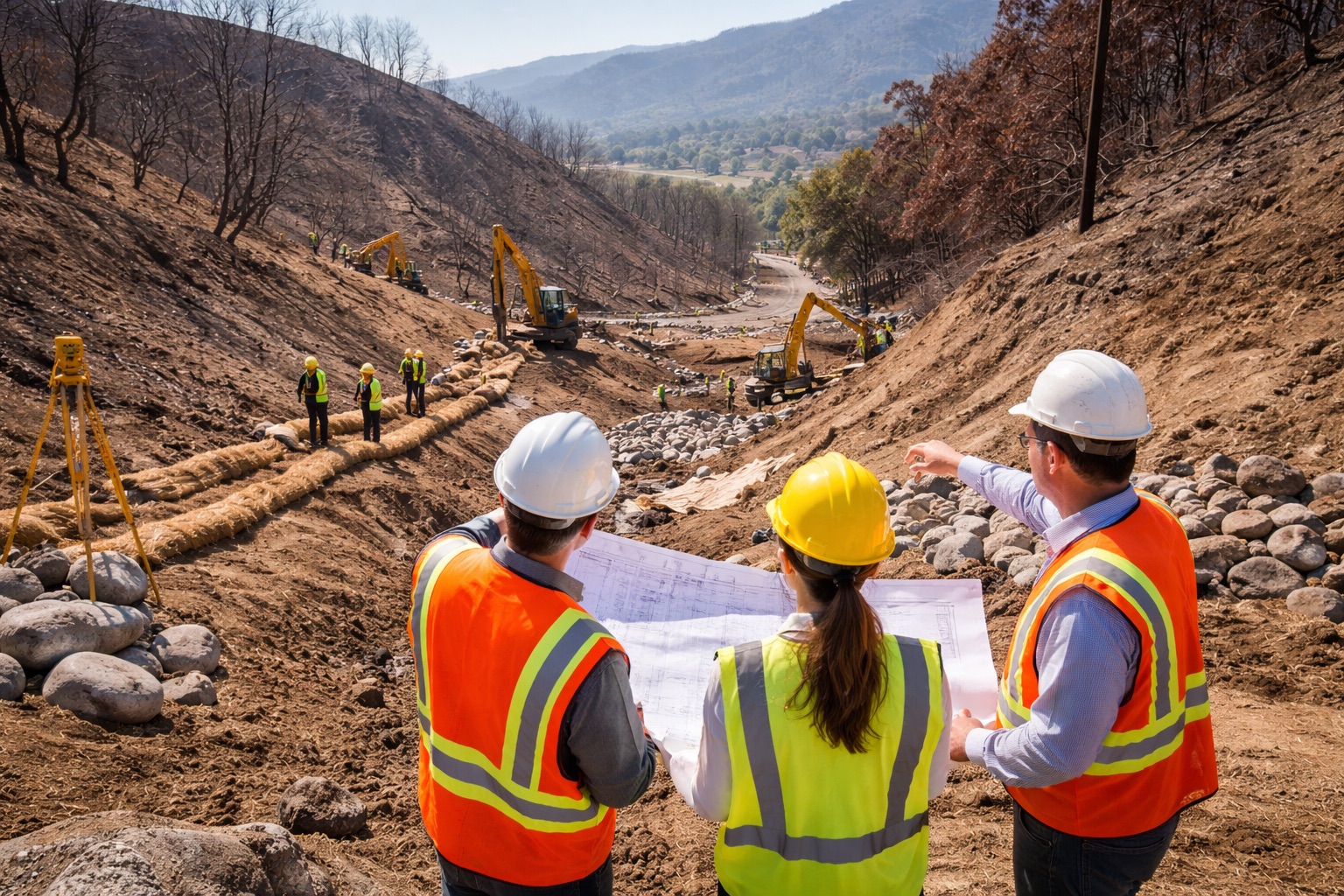
From Burn Scar to Safe Construction Site
Wildfires can transform land within a short time. They torch trees, grass, and buildings. However, it is not the end of the damage.
The soil and slopes are also transformed by fire. It can undermine the earth and render the soil. The soil becomes unstable for building. Rebuilding becomes more cautious in a post-wildfire scenario.
Brief research on the burnt land is required. They should know how the fire has altered the soil, drainage, and slope stability. That’s why considerations of the LA wildfires are of great importance to engineering.
Effective research can be used to secure houses, streets, and neighborhoods against environmental threats.
Hire a Certified Geotechnical Engineer for Soil Testing Your Wildfire Property
The land can be greatly transformed by wildfires. Plants and roots are burnt by the heat of the fire. The soil is deprived of the support plants provide. Plantation saves the soil from rain. Soil is stuck together with its roots. This occurs when plants are burnt, leaving soils loose and exposed.
The soil can, in turn, be washed off by rain. Slopes may become unstable. Landslides can occur in certain instances. Wildfires may destroy infrastructure, too. Concrete and steel are susceptible to heat. Roads may crack.
People can tip walls that should be held up. Underground pipes and cables may also get damaged. Given these dangers, the burnt land can be thoroughly inspected before rebuilding it.
Why Post-Wildfire Engineering Assessment Is Critical
Scars on burned regions are known as burn scars. These localities tend to turn volatile. Rainwater moves rapidly after a wildfire.
Water may also be repelled from soil due to temperature changes. This is referred to as hydrophobic soil. When this occurs, then water will move at a very high rate. It can transport mud, rocks, and debris.
This flow may happen as a hazardous debris flow. It can destroy halls, streets, and buildings. These risks are studied by engineers prior to the commencement of construction. Their expertise preserves the land so that reconstruction can proceed.
The soil testing reports for wildfires in Los Angeles for construction helps prevent project delays. Properly framed inspections safeguard schedules, jobs and project budgets. The Los Angeles Department of Building and Safety says visual checks help catch early problems.
Why is the need for Safe Rebuilding in Fire-Affected Areas increasing?
Wildfires are experienced annually in Southern California. The land around mountains and hills is particularly defenseless.
Cities like Los Angeles can easily rebuild homes and infrastructure after fires. The reconstruction should be based on safety regulations.
The Los Angeles Department of Building and Safety and the California Geological Survey give tips on how to and how not to build safely. Their guidelines will guide you through the process of rebuilding safely in fire-affected areas.
Read more to find out why you need to hire a Certified Geotechnical Engineer to analyze your wildfire affected property in order to re-develop properly.
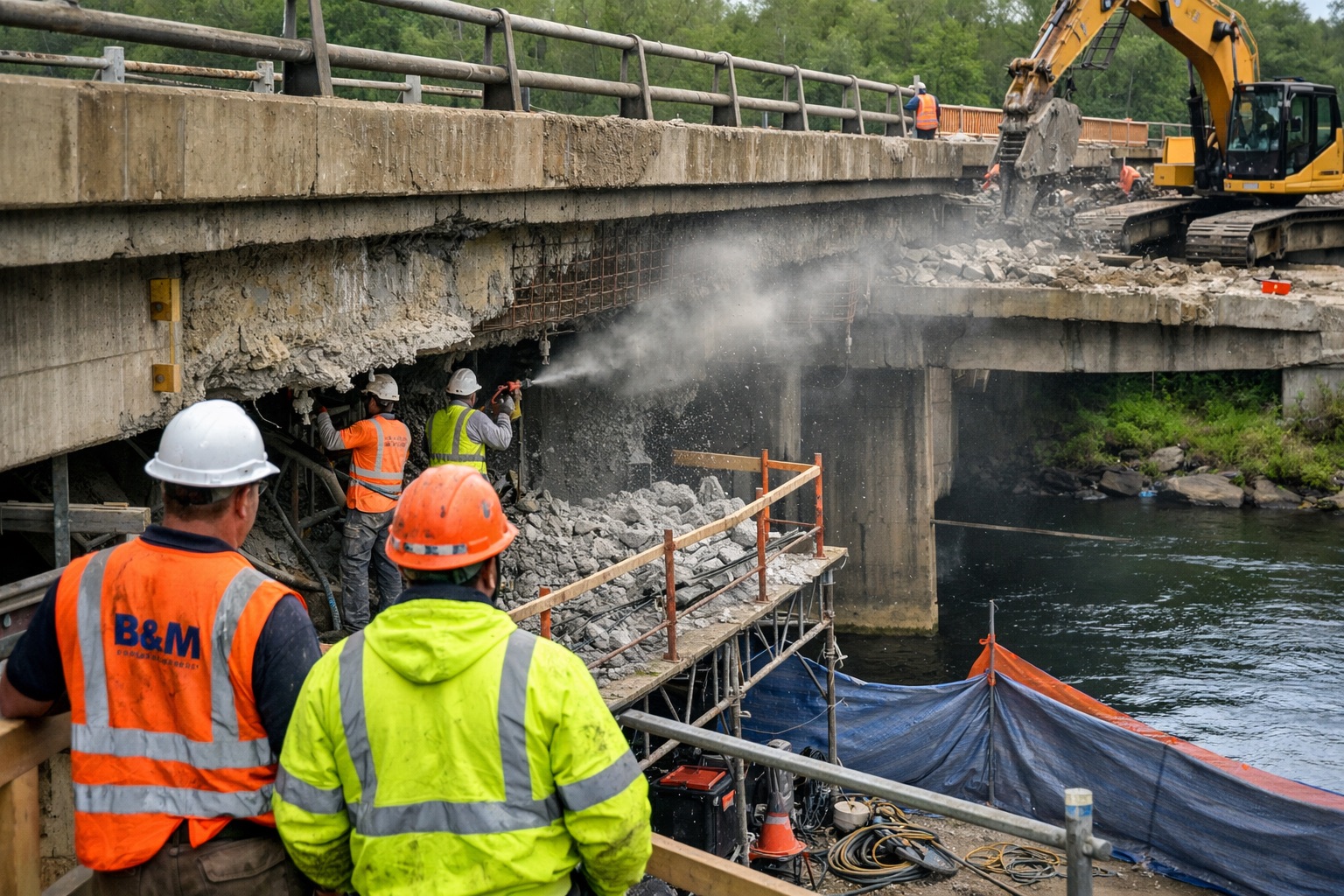
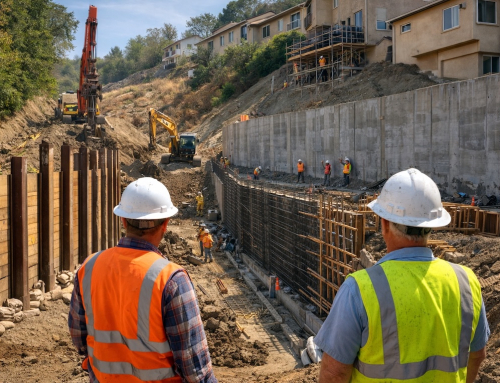
Post-wildfire reconstruction project showing engineers stabilizing damaged infrastructure and preparing a safe construction site after Los Angeles wildfires
Understanding Burn Scars and Their Engineering Impact
A burn scar refers to the territory left out after a wildfire. Trees are cleaned out, and the earth is bare. The ground is often covered by ash and burnt materials.
The surface got dry and brittle. The soil is not covered in rain and wind without plants. Burn scars could be unstable for a number of years.
Changes in Soil Behavior After Wildfires
The wildfires can alter the behavior of the soil. Water repellency is one of the most frequent changes. Heat has the capacity to form a thin layer in the soil that repels water.
During rain, water does not get absorbed into the earth. Rather, it runs rapidly across the surface. Wildfires also have the potential of diminishing soil strength.
Organic matter is subjected to heat that burns together with the soil. When there are storms, loose soil is easy to disperse.
Environmental Hazards by Burn Scars
There are a number of dangers posed by burn scars. Sediment runoff is one of them. The rain may erode into rivers and drainage. Flash flooding is also another danger. Water flows more quickly when on burnt land.
The most threatening hazard is the debris. This is rapid mass composed of mud, rocks, and burnt matter that travels downwards. Such risks may harm residential and infrastructural properties.
Site Investigation After Wildfires in LA
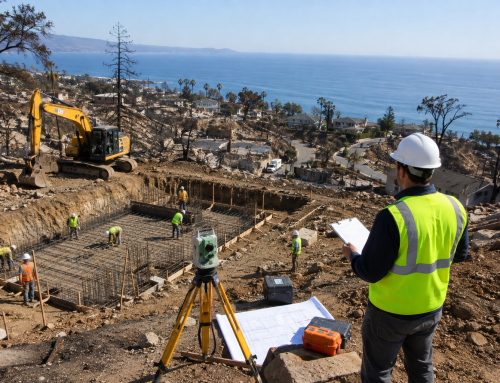
Site inspection is the first stage of the rebuilding. The engineers come to the burnt area. They research the topography and slopes.
They seek the erosion channels and loose soil as well. Slopes that are steep need to be reviewed. It is an initial evaluation that enables engineers to know the degree of risk.
Geotechnical Investigation of Burned Soils in Pacific Palisades
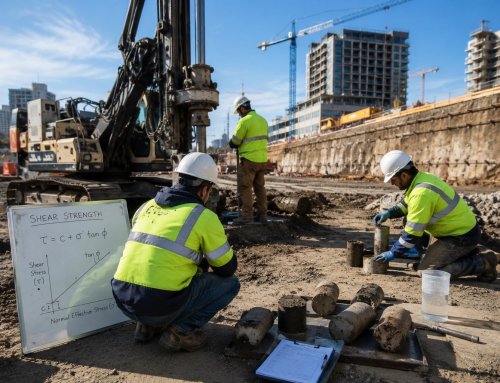
The field of geotechnical engineering deals with soil. Soil samples are taken at the location. Such samples are taken to a test laboratory.
Measurements are a strength and compaction of soil. The engineers also test the transformation of fire heat on the soil.
These are tests that are used in order to ascertain whether the soil can support structures.
Hydrologic and Drainage Analysis
Wildfires tend to alter the water flow patterns on land. In the absence of plants, water moves at a greater speed during storms. This may lead to erosion and flooding.
Individuals examining the new drainage patterns are engineers. They also approximate the amount of stormwater that can pass through the terrain. The flow may necessitate new drains to handle this.
Slope Stability and Landslide Risk After Wildfires in LA
Plants and roots are required to make slopes steady. Roots hold soil together. Slopes are weakened when these roots are burned in fire. The soil may also become dry and crack because of the heat. This leads to slope failure during the rainy season.
The engineers seek evidence of unstable slopes. Arid hillslopes and vegetation burnt by fire are dangerous places. Another warning sign was loose soil deposits.
The rainfall patterns are also reviewed by engineers. Wildfire can cause landslides due to heavy rain following the wildfire events.
That hazard can be identified through available hazard maps, e.g., from government such as California Geological Survey.
Engineering Methods to Improve Slope Stability After California Wildfire
Slopes could be made stable by a few engineering techniques. The soil can be held by retaining walls. Slopes may be reinforced by the use of soil nails and anchors.
The slope steepness can be reduced through terracing. Slopes can also be remodeled by the engineers to increase stability. These are solutions that assist in mitigating landslides.
Erosion and Sediment Control for Post-Wildfire Measures
In the aftermath of wildfires, erosion tends to occur. Exposed soil can be washed away in a short period of time by rain.
Such soil is capable of flowing to rivers and storm drains. The mud might block drainage systems, thereby damaging streets. Plant regrowth can also be slowed down by erosion.
Engineering Solutions for Post-Wildfire Erosion Control
There are numerous ways that can be employed by engineers to manage erosion. Silt fences have the ability to trap soil prior to exiting the site. Water flow can be slowed by sediment barriers, also.
In order to avoid the impact of rain, erosion control blankets can be used. Another procedure is Hydroseeding. Mulch and water are sprayed on slopes by use of the seeds. This assists in the growth of plants very fast and stabilization of the soil.
Long-Term Monitoring and Maintenance
Monitoring is significant even when a construction has been undertaken. The engineers can attach tools to measure the slope movement.
Considerable inspections can aid in the early detection of problems. This is to maintain Drainage and Erosion Control Systems.
The drainage systems should be upheld. Channel and culvert blockage may be caused by sediment. These should be washed on a regular basis. Erosion boards can be subjected to damage from storms as well.
Maintaining Drainage and Erosion Control Systems
Drainage systems play an important role in the post-wildfire period. The channels, pipes, and basins that control runoff are developed by engineers.
Such systems avoid water-destroying constructions and slopes. Fire-Resistant Site Planning. The threat of wildfire must be taken into consideration in the future.
Reduction of the spread of fire can be achieved through landscape design. A safe distance is maintained to enhance safety around the building. It is also possible to protect the structures with fire-resistant materials.
Preparing for Future Wildfire Events
The new buildings should pay attention to the new soil conditions. The engineers can come up with better foundations. They can also use soil-enrichment preceding construction.
Deep foundations like piles may be needed on some of the sites. These are solutions that assist in stabilizing buildings. Utility and Infrastructure Evaluation. It is also necessary to verify utilities.
Heat may destroy underground pipes and cables. Also, they may be subject to soil movement. There may be a need to repair roads and retaining walls. Local agencies such as LADBS and Caltrans inspect infrastructure frequently
Conclusion
Wildfires have long-term impacts on the land. The burnt scars may pose unstable slopes and erosion dangers. These risks are determined with the help of engineering studies. The first tool is appropriate planning that guarantees safer reconstruction.
Professional engineers are aware of such hazards. Their labor avoids landslides and floods. They also assist projects to achieve regulatory needs. The restoration process of wildfires should be plotted.
Preliminary engineering investigations are useful in avoiding expensive issues. Properly designed land use and watch will make burned land safe once again.
FAQs
Why is soil compaction critical in construction?
Soil compaction provides ground stabilization, settles, and carries building, road, and bridge loads. Without compaction, soil could crack, shift, and settle, which causes structure damage.
What are the typical tests used to validate soil compaction?
Current tests include Modified Proctor test, nuclear gauge testing, sand cone testing, drive cylinder testing, and balloon testing. These tests validate soil density, moisture, and strength
Who will check soil compaction for your project?
Trained inspectors, engineers, and workers on site may share this responsibility. As an example, both LADBS and Caltrans in California require certified personnel to perform soil compaction checks and document their findings.
What moisture level is best for soil compaction?
The best moisture level is the optimum moisture content, a determinate of the Modified Proctor test. Soil compacts best at this moisture level, thus providing maximum strength and density.
What if the soil does not pass compaction test?
The crew will need to re-compact, re-work, or modify moisture in soil that does not meet proctored density before construction continues. Documentation and repairs will also need to occur for any failed tests.
Why does California have strict soil testing rules?
California has earthquakes, varied soil types, and heavy infrastructure loads. Strict guidelines from LADBS, CGS, and Caltrans help prevent settlement, cracks, and foundation failures.
Build with knowledge. Build with confidence. Build smart from the ground up.