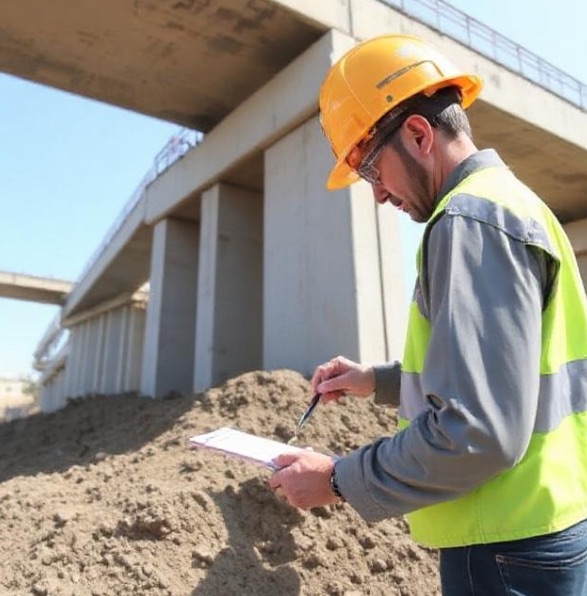
Testing materials is very important for safe buildings and roads. Large projects need strong soil, concrete, and steel. Weak soil or steel can make buildings sink or crack. The Los Angeles Department of Building and Safety says testing materials keeps buildings safe.
Soil is essential because it holds houses and bridges in place. If the earth is soft, a building may lean or sink. The California Geological Survey explains that testing soil helps workers make it firm.
Concrete is tested to see if it is strong. Strong concrete holds heavy weight and stops cracks. Steel is tested to check its strength too. The California Department of Transportation says strong steel keeps bridges and roads safe.
Testing soil, concrete, and steel stops weak buildings. It keeps houses, bridges, and roads safe for people in California.
Soil Testing Techniques
Testing soil helps make buildings and roads safe. The California Geological Survey says testing shows if soil is firm or soft. Workers check soil before building houses, bridges, or streets. Prior to construction projects, workers use these tests in order to better understand if the soil can sustain the needed weight, and if any modifications to the soil will be necessary in order to perform the construction.
The Standard Penetration Test (SPT), commonly called the “blow count test,” is a method to evaluate soil density. The operator will insert the tube, and then count how many times the tube is struck before it is fully in the soil. More hits mean the soil is hard. This test helps decide how much soil needs packing. It also tells workers if the soil has the proper load capacity of a building or if more support is needed.
The California Bearing Ratio (CBR) test shows how well the soil will support a weight. Workers press a plate on the soil to see how strong it is. Strong soil keeps roads from breaking. CBR is used for pavements and driveways. Engineers use this test so roads can last longer and handle cars and trucks without damage.
The Proctor Compaction test checks how well soil packs together. Wet or dry soil does not pack well. Soil with the right moisture becomes firm. The Los Angeles Department of Building and Safety recommends this test to keep buildings safe. Good compaction stops the ground from sinking later.
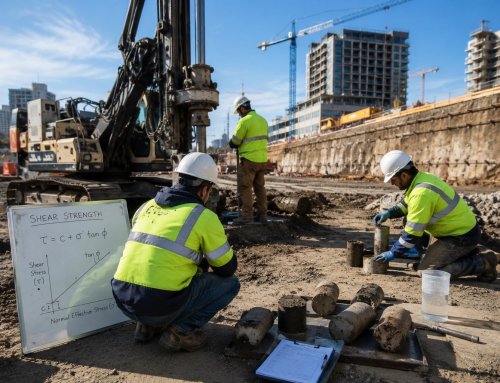
Direct shear and triaxle tests check soil strength. They show how soil holds slopes and heavy loads. These tests help builders design safe bases for roads, hillsides, and buildings.
Good soil tests stop weak soil problems. They make roads, houses, and bridges safe for people. Always test soil to avoid cracks and sinking. Soil testing helps keep communities safe for many years.
Concrete Testing Techniques
Testing concrete helps make buildings and roads safe. Concrete is a common material in houses, buildings, roads, sidewalks, etc.; Weak concrete can crack and fail underweight. According to the Los Angeles Department of Building and Safety, testing is essential to safety and construction integrity as it relates to concrete.
The slump test checks if wet concrete is easy to work with. Workers fill a cone with concrete and lift it up. How much the concrete falls shows if it is too soft or stiff. This test helps place concrete without trouble.
Compressive strength tests indicate the load compression of concrete. The workers make small cubes or cylinders and test them after 7 and 28 days. Strong concrete holds heavy weight without cracking. These tests make buildings and bridges safe.
Flexural strength tests show if concrete bends before breaking. Workers use this test for floors, roads, and beams. They press the concrete until it breaks. It helps prevent weak or cracked slabs.
Core tests give more information on hardened concrete. Workers drill small pieces and labs check them. These tests ensure that the concrete mix is the correct one. The California Department of Transportation requires these tests for highways and bridges.
Concrete testing also checks mix and placement. Good tests make sure concrete is strong and even. They prevent weak spots and make structures last longer. Testing concrete is key to safe and lasting buildings and roads.
The right inspections prevent project delays and the risky projects or the budgets. Properly framed inspections safeguard schedules, jobs and project budgets. I
Steel Testing Techniques
Steel is a super important material at least if we want to build strong bridges or buildings. If the steel is weak, it could bend or crush a bridge or building, or the entire building could fail. The LADBS advises to test steel to verify it safe for construction.
The tensile strength tests determine the strength of steel. It determines that how much load the steel can hold before it stretches or breaks. Workers pull a steel sample and record the force. This test tells them the steel’s maximum strength and when it starts to deform. Strong steel keeps buildings and bridges safe under heavy loads.
Bend and re-bend tests check how flexible steel is. Workers bend a steel bar and straighten it again. This test shows if steel can handle pressure without breaking. Flexible steel helps structures survive winds, earthquakes, or heavy traffic.
Weld tests examine joints where steel pieces meet. Technician also use ultrasonic waves or X-rays to look at the welds internally. The California Department of Transportation also uses these tests to verify that their highway and bridge steel is safe. Proper welds stop cracks and failures.
Hardness and fatigue tests check steel over time. Workers test steel for repeated loads or wear. This is important for long bridges and tall buildings. Steel must stay strong for years.
Testing steel ensures every part is safe and strong. Careful tests prevent weak spots. Following steel standards in California keeps bridges, buildings, and roads safe for everyone.
Read more to find out Why Every building, bridge, or roadway must follow strict codes.
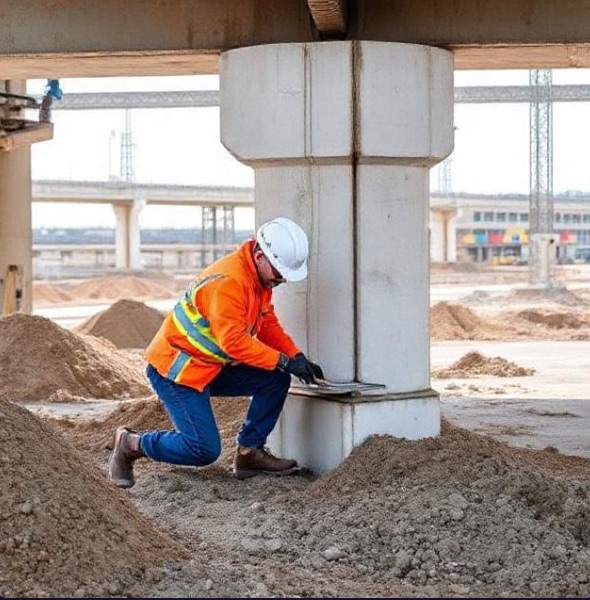
Geotechnical engineer inspecting soil conditions and structural support at a highway construction site, ensuring safe pavement foundation and compliance with design standards.
Testing Frequency and Reporting
Tests must follow project rules and building codes. The Los Angeles Department of Building and Safety says proper testing keeps buildings and roads safe. Each project has its own schedule for tests.
Soil is tested at different layers during construction. Workers check each layer before adding more soil. Concrete is tested for every batch delivered to the site. This makes sure the mix is correct and strong. Steel shipments are also checked for strength and quality before use.
All test results are written in daily reports. Inspectors and engineers note readings, observations, and any issues. The California Department of Transportation encourages keeping clear records for every test. These reports help workers fix problems quickly. They also show that construction follows safety rules.
Regular testing and proper reporting make projects safe. They prevent weak soil, concrete, or steel from causing accidents. Clear records help keep all structures strong for many years.
Tools and Equipment Overview
Testing materials needs simple and correct tools. The Los Angeles Department of Building and Safety says good tools keep results correct. Workers check soil, concrete, and steel with lab and field tools.
For soil, workers use core cutters to get samples. Concrete is tested with weight machines. These machines show how strong concrete is. Steel is tested with pull and bend machines. These tests make sure steel is safe before use.
Workers check tools often to make sure numbers are right. The California Department of Transportation says checking tools stops mistakes. Correct tools prevent weak materials from being used.
Using the right tools and careful work makes testing safe. Tests show strength and quality of materials. Good tools keep buildings, roads, and bridges safe in California.
Conclusion
Testing materials keeps buildings and roads safe. Weak soil, concrete, or steel can break. The Los Angeles Department of Building and Safety says testing helps avoid these problems.
Soil tests show if soil is firm. Concrete tests check if concrete is hard. Steel tests show if steel can hold weight. The California Geological Survey says these checks stop cracks and weak spots.
Workers write clear notes for all tests. Notes help fix problems fast. The California Department of Transportation says all projects should test materials often. Following simple rules keeps structures strong.
Good testing helps workers build safe homes, roads, and bridges. It stops weak materials from causing harm. Testing materials is the base for strong and safe buildings in California.
FAQs
How often should materials be tested?
Regularly per project rules: soil at layers, concrete per batch, and steel shipments, with daily reporting.
What tools are used for testing?
Core cutters for soil, weight machines for concrete, and pull/bend machines for steel, checked for accuracy.
Who recommends these testing practices?
The Los Angeles Department of Building and Safety and the California Department of Transportation recommends these testing practice.
Build with knowledge. Build with confidence. Build smart from the ground up.