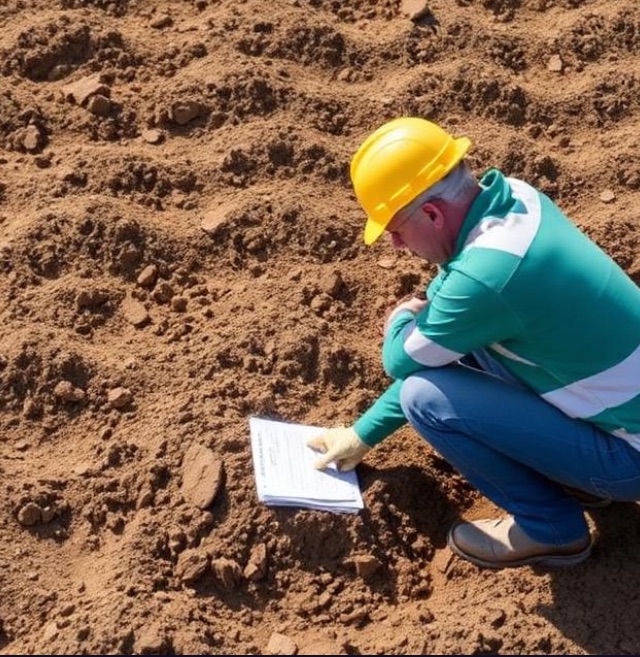
Introduction to Compaction Testing
Every strong building starts at the ground. The earth supports everything above it. If the ground cannot carry the load, the structure can fail.
Soil problems are often hidden. They do not appear right away. Damage may take years to show. By the time cracks appear, repairs are expensive. Some damage cannot be fully repaired.
This is why compaction testing and grading reports matter. They reduce risk early. They confirm that soil was prepared correctly.
Compaction testing and grading reports are part of proper geotechnical due diligence. They prove that soil meets design standards. They show that earthwork followed approved plans.
These tests support foundation strength. They improve slope stability. They help control drainage. They also support building code compliance.
California has highly variable soil conditions. Some areas contain soft soils. Others contain imported fill. Hillside sites add additional risk. Earthquakes make soil performance even more critical.
Local agencies take site preparation seriously. Departments such as LADBS, Los Angeles County Public Works, Caltrans, and LA Metro require proper documentation. Projects will not move forward without approved reports.
This article explains what compaction testing is. It explains what grading reports include. It explains when testing is required. It also explains why skipping these steps is dangerous.
What Is Compaction Testing?
Compaction testing confirms that soil was compacted correctly. It checks density. It checks moisture.
The goal is simple. Soil must be strong enough to support loads. It must not settle over time. Loose soil compresses. Compression causes movement. Movement damages structures.
Soil that is too wet performs poorly. Soil that is too dry will not compact properly. Compaction testing ensures balance. It confirms that soil meets design limits.
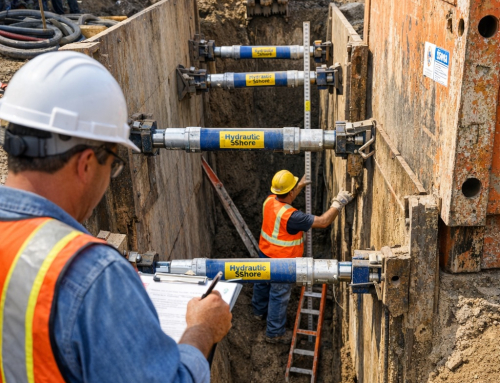
Testing is usually performed after fill placement. It occurs before construction begins. Soil is placed in layers. Each layer is called a lift. Each lift must be compacted.
Skipping lifts creates weak zones. Weak zones settle unevenly. Compaction testing verifies that each lift meets requirements. It removes guesswork from construction.
Common areas tested include:
- Building pads
- Roadways
- Utility trenches
- Retaining wall backfill
Without testing, nothing can be proven. Assumptions create risk. Testing provides facts.
What Is a Grading Report and What Does It Include?
A grading report documents earthwork activities at a site. It is prepared by a licensed geotechnical engineer.
The report tells the site’s story. It shows what soil was cut. It shows what soil was filled. It explains how compaction was verified.
Most grading reports include:
- Approved site plans
- Cut and fill maps
- Field compaction test results
- Soil classifications
- Moisture and density data
The report concludes with certification. A licensed engineer signs it. This confirms the work meets approved plans and codes.
Grading reports are required for building pad certification. They are often required before foundation permits are issued.
Agencies such as LADBS, Caltrans and LA Metro rely on grading reports. Inspectors do not accept verbal statements. Written documentation matters.
The report answers questions that may arise later. It protects owners. It protects contractors. It protects engineers. Without a grading report, projects are often halted.
The grading report and compaction testing report for construction helps prevent project delays and closures. Properly framed inspections safeguard schedules, jobs and project budgets. The Los Angeles Department of Building and Safety says visual checks help catch early problems.
When and Where Are These Tests Required?
Compaction testing is required in many situations. Especially in California.
Testing is typically required:
- After mass grading
- After fill placement
- Before foundation construction
- On hillside projects
- In areas with poor native soils
Grading and compaction requirements are mandated by:
- Local building departments:
These departments review soil and grading documents before issuing permits and inspections.
- Approved civil plans:
Civil plans define grading limits, compaction requirements, and drainage design for the site.
- Geotechnical reports:
These reports set soil performance criteria and specify required compaction standards.
- International Building Code (IBC Chapter 18):
This code establishes minimum soil and foundation requirements for safe construction.
Cities such as Los Angeles require documented compaction. Los Angeles County enforces grading certification. Caltrans requires testing for transportation projects. LA Metro enforces strict earthwork quality control.
Testing is not optional. It is part of permit approval.
Read more to find out why a grading report can help properly develop a property and construction stability.
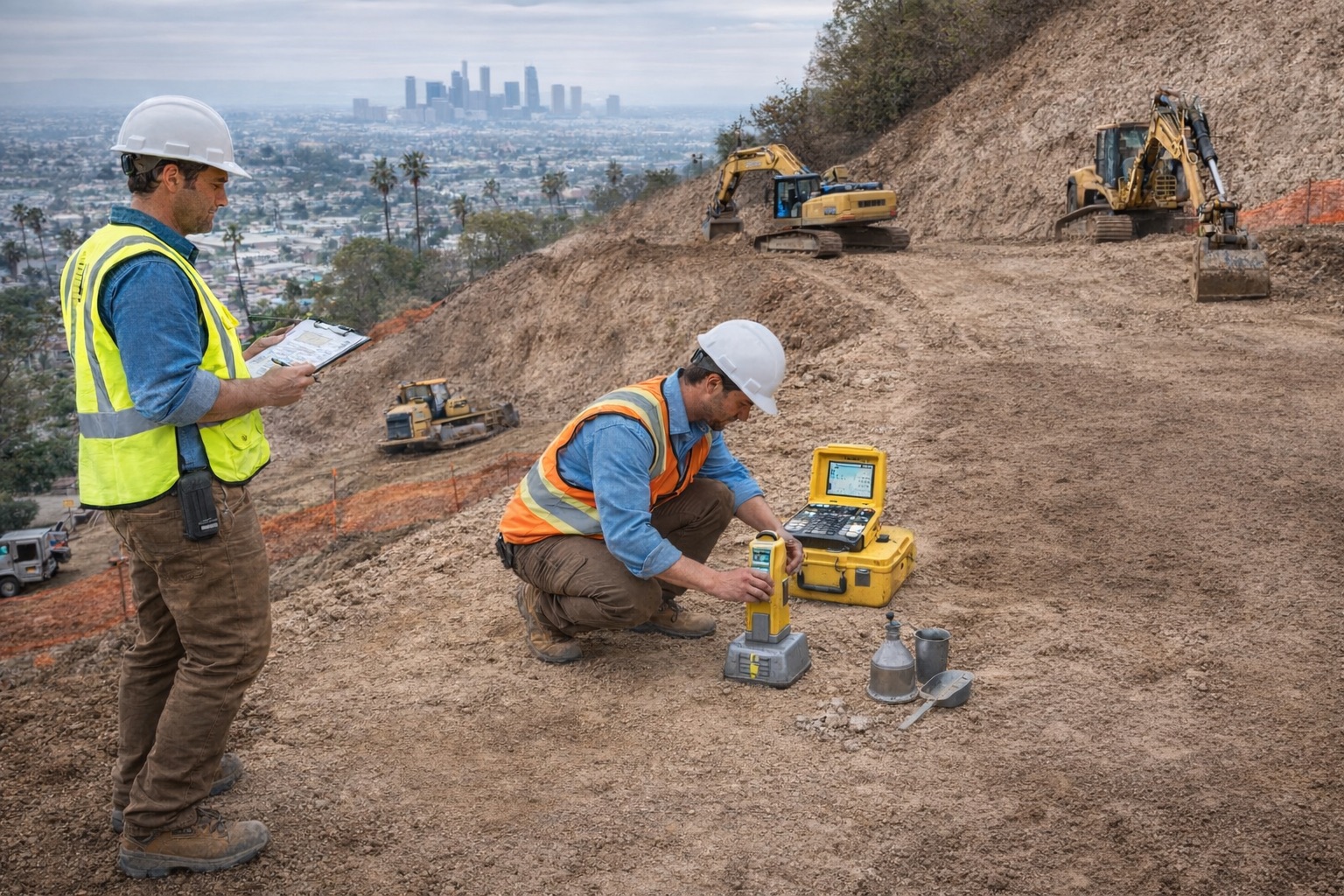
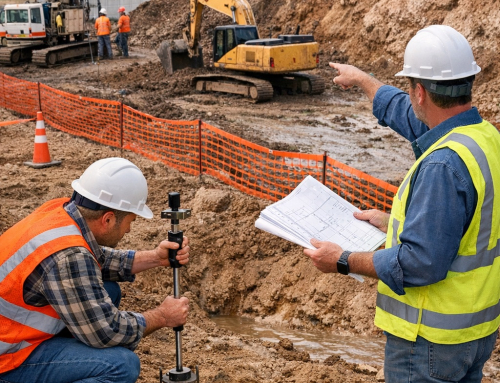
Soil compaction testing and grading inspection on a Los Angeles hillside construction site.
Compaction Testing Methods and Standards
Several standard tests are used. Each serves a specific purpose.
Proctor Test (Laboratory)
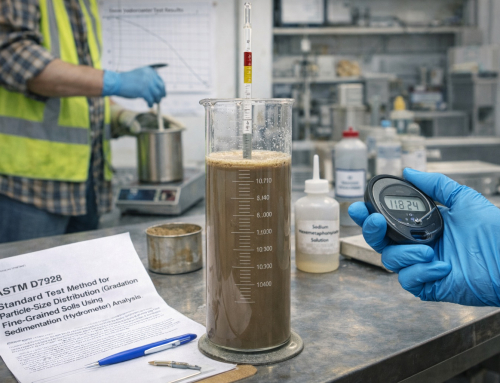
The Proctor test is performed in a laboratory. It determines maximum dry density. It identifies optimal moisture content.
Common standards include:
- ASTM D1557 (Modified Proctor)
- ASTM D698 (Standard Proctor)
These results set the benchmark. Field tests are compared against them.
Nuclear Density Test
This test is performed on site. It measures soil density and moisture quickly. Nuclear density test follows the ASTM D6938 standard. Most agencies among LADBS, California Geological Survey accept this method.
Nuclear testing allows fast verification. It supports daily quality control. It helps keep projects on schedule.
Sand Cone Test
This test measures density using sand displacement. It follows ASTM D1556. It is slower than nuclear testing. However, it is reliable. It is often used where nuclear gauges are restricted.
Soil Classification
Soil classification identifies soil type. It follows ASTM D2487. Clay behaves differently than sand. Gravel behaves differently than silt. Correct classification is critical. Incorrect assumptions lead to failure.
Required Compaction Levels
Most projects require:
- 90% to 95% of maximum dry density
Exact requirements come from:
- Geotechnical reports
- Civil plans
- Local codes
Results are recorded daily. They are summarized in final reports. Documentation matters.
Why Compaction Testing and Grading Reports Are Important
A. Structural Integrity
Poor compaction causes settlement. Settlement leads to cracks. Cracks damage structures. This is critical for slab-on-grade foundations. It is also critical for shallow footings.
Small cracks grow over time. Minor damage becomes major repair. Compaction testing helps prevent failure. It ensures long-term performance.
B. Drainage and Erosion Control
Proper compaction controls water movement. Poor compaction traps water. Water weakens soil. It increases erosion. It affects nearby properties.
Testing ensures grades drain as designed. It protects both the slopes and the pads.
C. Legal and Regulatory Compliance
Cities require documentation. Inspectors require proof.
Grading reports support:
- Permit approvals
- Final inspections
- Acquiring certificate of occupancy
They also protect builders. They reduce liability. Clear records reduce disputes.
D. Cost Efficiency
Fixing soil problems later is expensive. Re-grading costs more. Foundation repair costs even more.
Testing costs far less. It prevents rework. It reduces warranty claims. Good testing saves money.
What are the consequences of skipping Testing or Reporting?
Skipping testing creates serious risk before, during and after construction. Common issues include:
- Foundation cracking
- Slope movement
- Soil erosion
Consequences
Skipping testing is never worth the risk especially for construction projects.
Los Angeles Residential Project – A Case Study
A residential project in Los Angeles required imported fill. The building pad exceeded six feet. Compaction testing was performed. Nuclear density tests revealed under-compacted soil.
The contractor reworked the fill. Additional testing confirmed compliance. The grading report was updated. The city approved the pad.
This prevented slab cracking. It reduced future liability. The cost of re-compaction was small. The cost of failure would have been far greater.
Best Practices for Site Preparation Compliance
Good projects plan ahead and prepare well. Best practices for site preparation include:
- Always hiring a licensed geotechnical engineer
- Using certified testing agencies
- Scheduling testing into the project timeline
- Communication matters. Contractors must understand test results. Inspectors must receive reports.
- Keep records organized. Cities may request them later. Lenders may request them as well.
- Weather matters. Wet soil behaves differently. Re-testing may be required.
- Plan your site preparation early.
Conclusion
Compaction testing and grading reports are essential. They are not paperwork. They are protection. They protect structures. They protect owners. They protect public safety. California soil conditions demand care. Testing confirms work is done correctly. Grading reports provide proof. They support permits.
They support inspections. Every builder should treat these steps as mandatory. They provide confidence. They prevent failure. Strong buildings start with strong foundation which require strong ground.
F.A.Q.s
What is the main purpose of the compaction testing?
The compaction testing proves that soil is capable of supporting a structure. It is used to counter settlement, cracking and foundation failure.
Is it mandatory that a law requires compaction testing and grading report?
Yes, in many cases. They are asked in nearly all California cities prior to foundation work and ultimate approval.
Who carries out compaction testing towards the site?
The tests are conducted by licensed geotechnical engineers or certified testing names. They report to such agencies as LADBS and Los Angeles County.
What then becomes of the soil in case of soil failure in a compaction test?
The soil must be reworked. It is re-packaged and subjected to testing until acceptable requirements are achieved.
What is the retention time of grading reports?
Reported grades are documents regarding the project. They can be requested to do inspections, finance or insure or even sell their property in future.
Build with knowledge. Build with confidence. Build smart from the ground up.